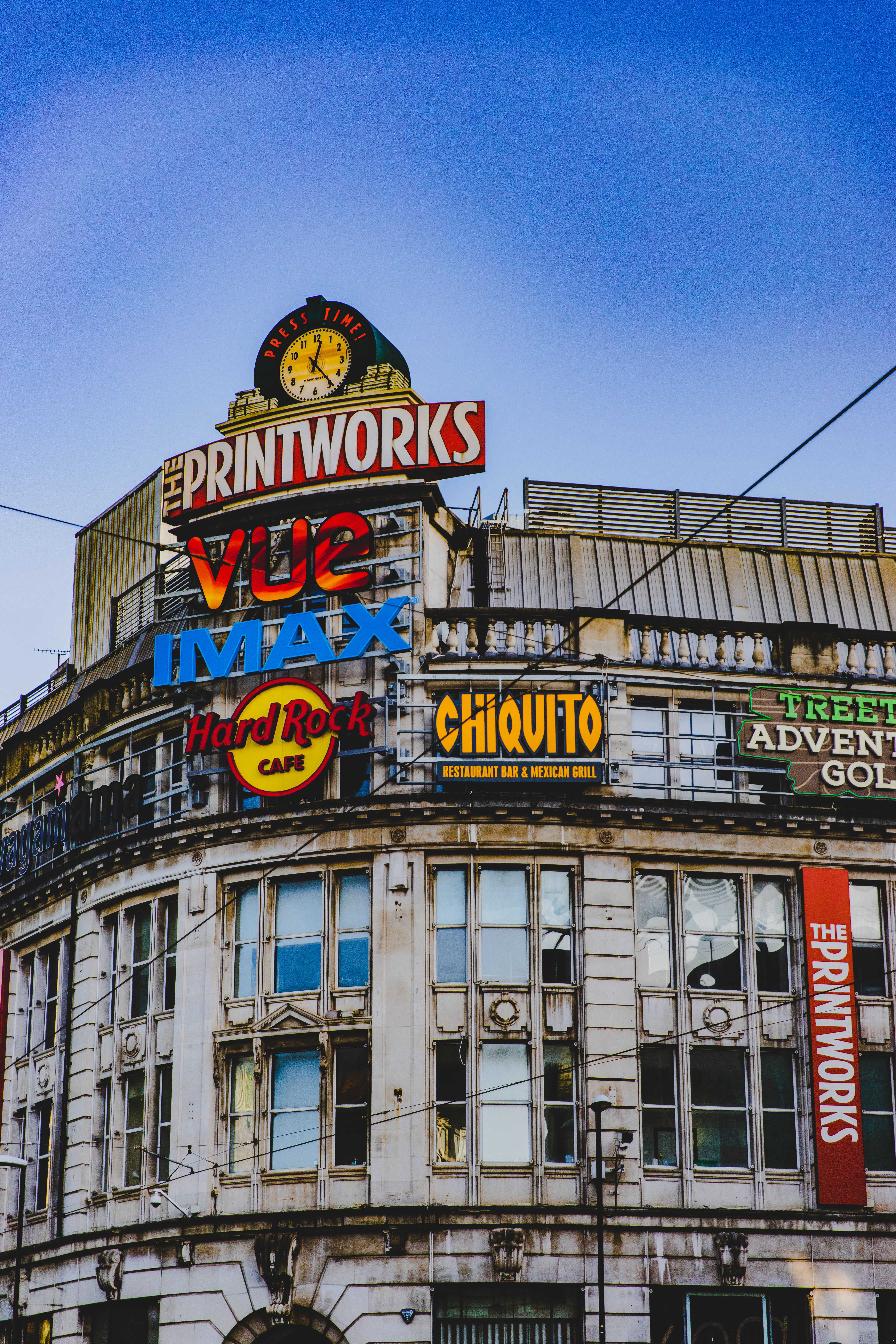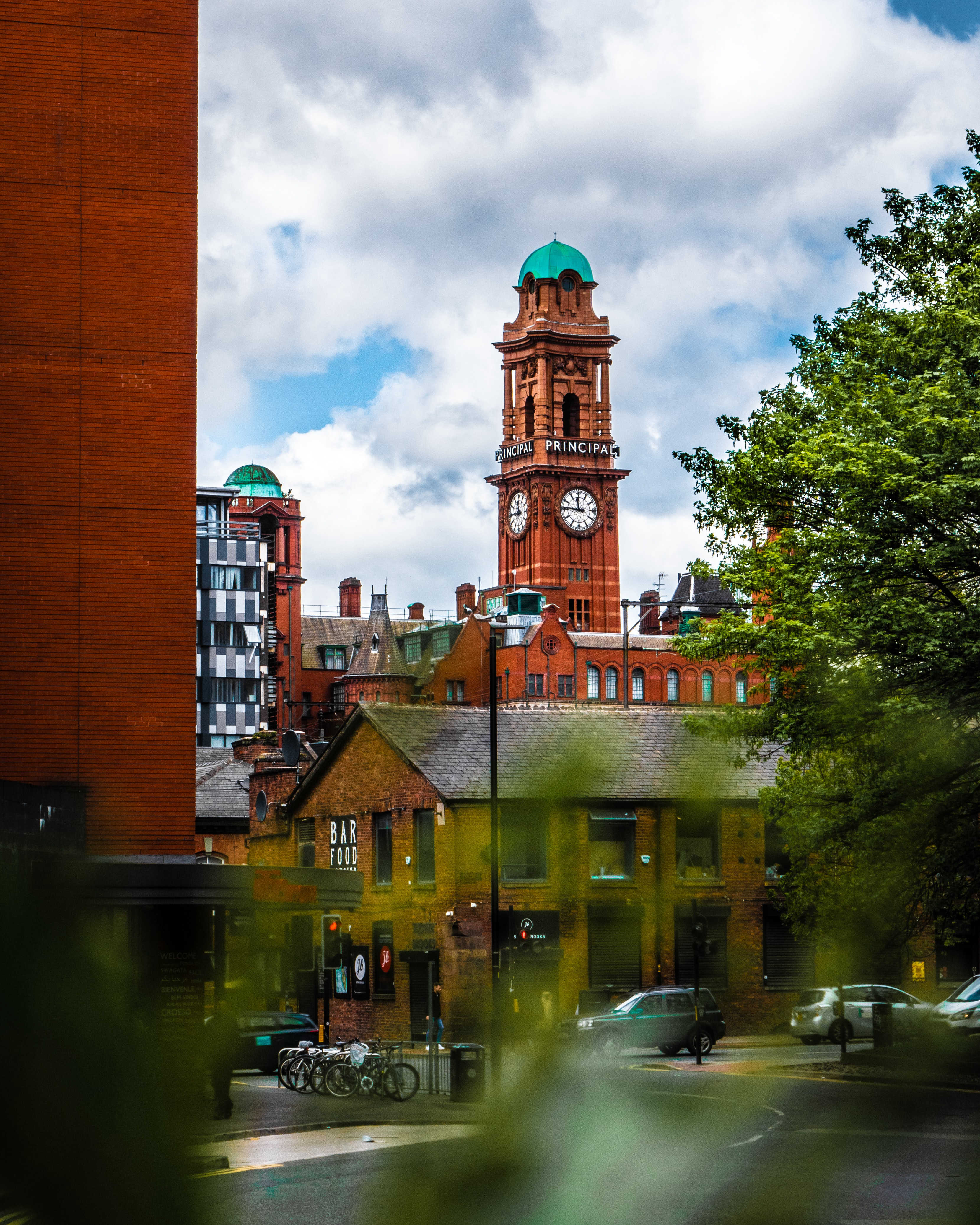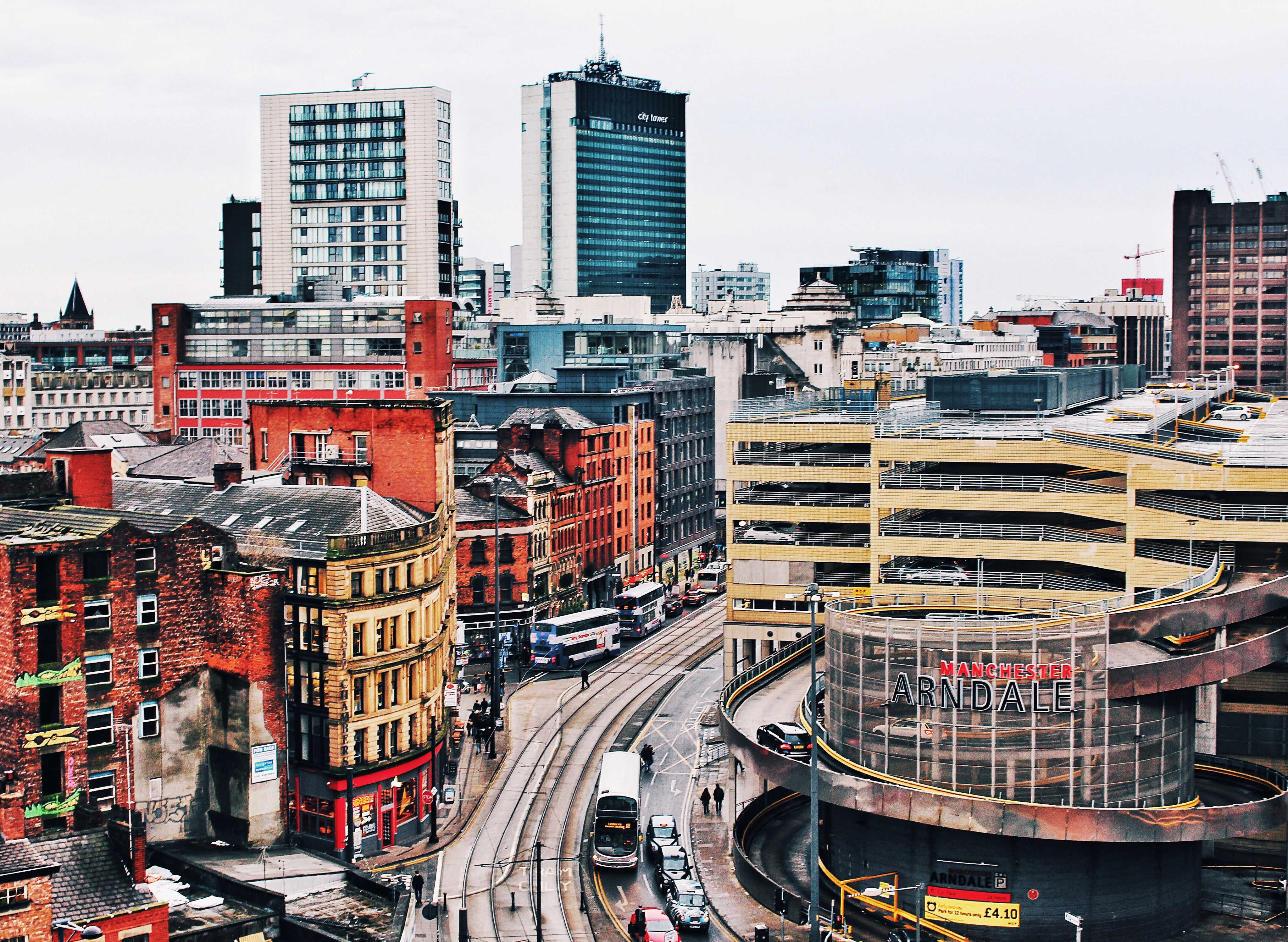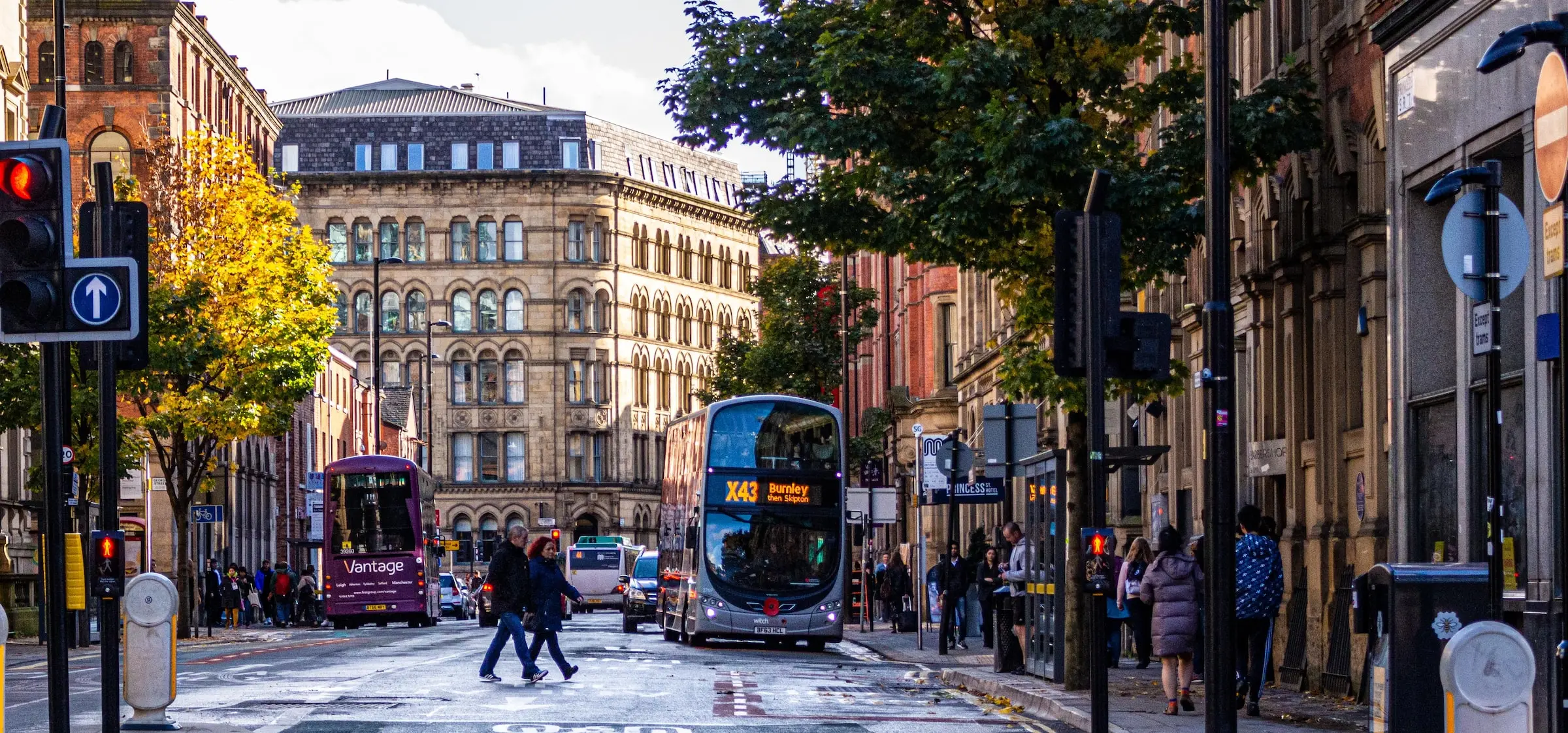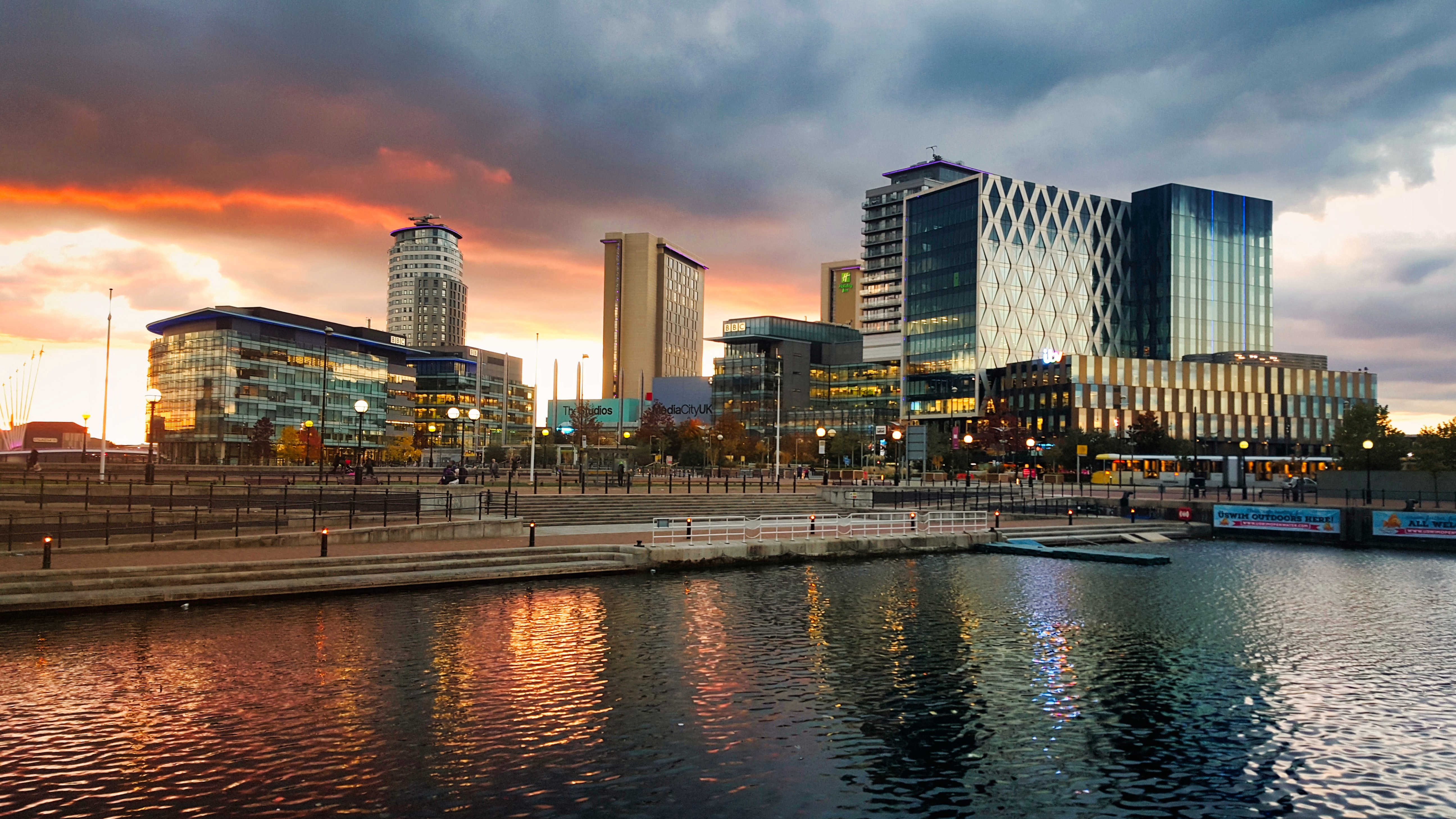

Manchester is the English city that rebuilt itself twice — once as the first industrial city in the world, and again over the last thirty years as the country's main cultural counterweight to London. Both are visible on the same street: red brick mills converted into flats, and a tram running past them.
For a student the practical case is cost against size. Manchester is a proper city with everything that implies — concerts most nights, two of the best-known football clubs in the world, a centre you can still cross on foot — but it costs meaningfully less to live in than London. The money that a term in the capital puts into rent and travel goes further here, and the city is large enough that you are not short of things to spend it on.
The music history is not marketing. Factory Records, the Haçienda, the Smiths, Oasis and a live circuit that never really stopped: the Northern Quarter is still full of small venues, record shops and bars that put bands on midweek. For a language learner that matters more than it sounds, because a gig is one of the few social settings where you are not expected to hold a conversation to belong.
What is free here is unusually good. The Science and Industry Museum, Manchester Art Gallery, the Whitworth and the People's History Museum charge nothing. Heaton Park is one of the largest municipal parks in Europe. The Peak District begins half an hour to the east and is reachable by train, which makes a Saturday walk in the hills an ordinary thing rather than a trip.
Getting around is a tram system, Metrolink, that reaches most of where students live, and London is about two hours by train when you want it.
Manchester Airport is the largest in the UK outside London and flies direct to most of Europe, the Gulf and Türkiye, which matters more than it sounds: it decides whether going home at a mid-term break is a day of travel or three flights. It also means visitors can reach you without routing through Heathrow.
The student population is the other thing that shapes daily life here. Manchester has one of the largest concentrations of university students in Europe, and the city is priced and timetabled around them — cheap food after 9pm, student nights, gym and transport discounts. A language student arriving alone lands in a city already full of people who also arrived alone.
Two things to weigh. Manchester's weather is the joke the rest of England makes about it, and the joke is broadly fair — it rains often, though rarely hard. And the city is spread out enough that where you live changes your experience; being near a Metrolink stop matters more than the postcode.
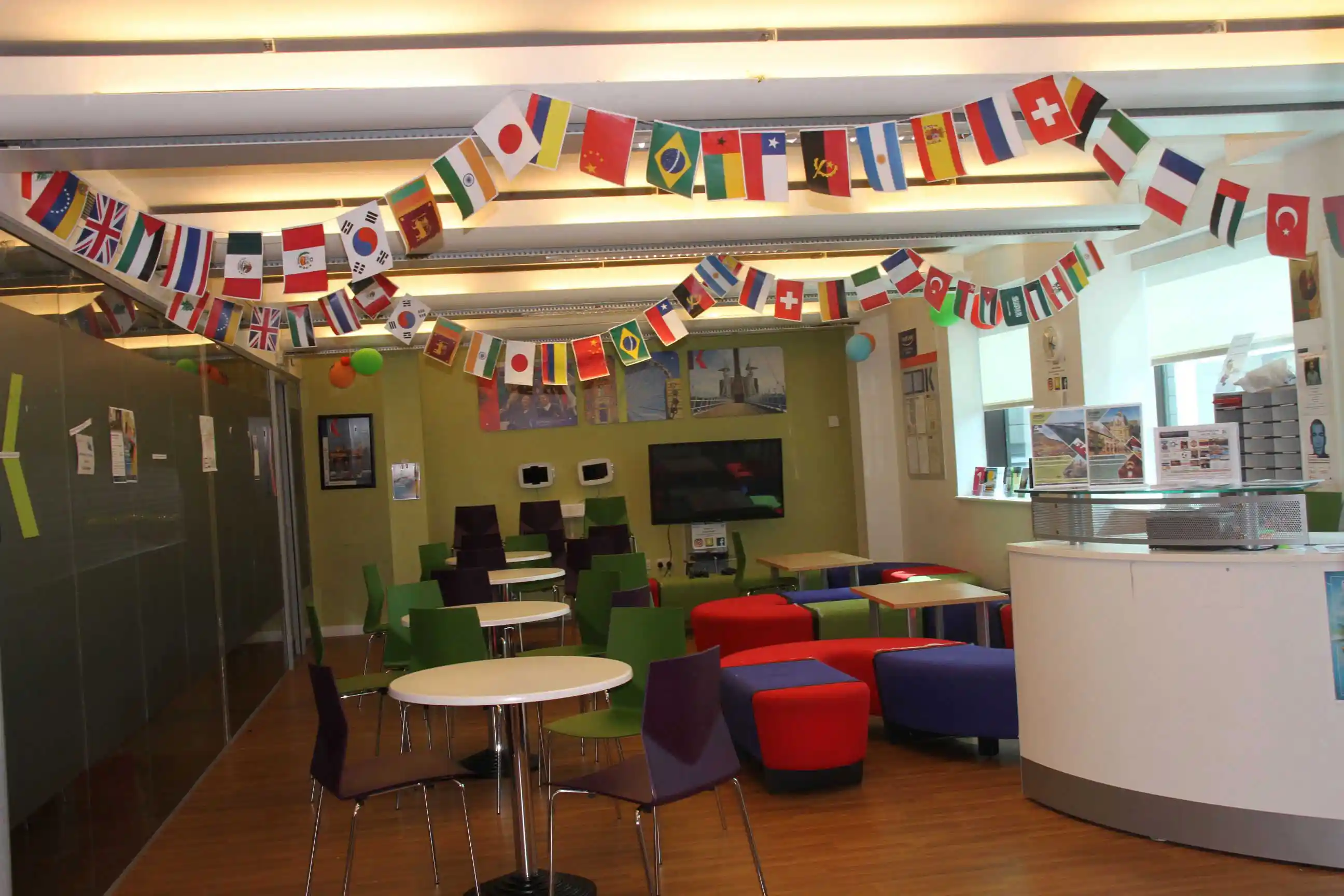
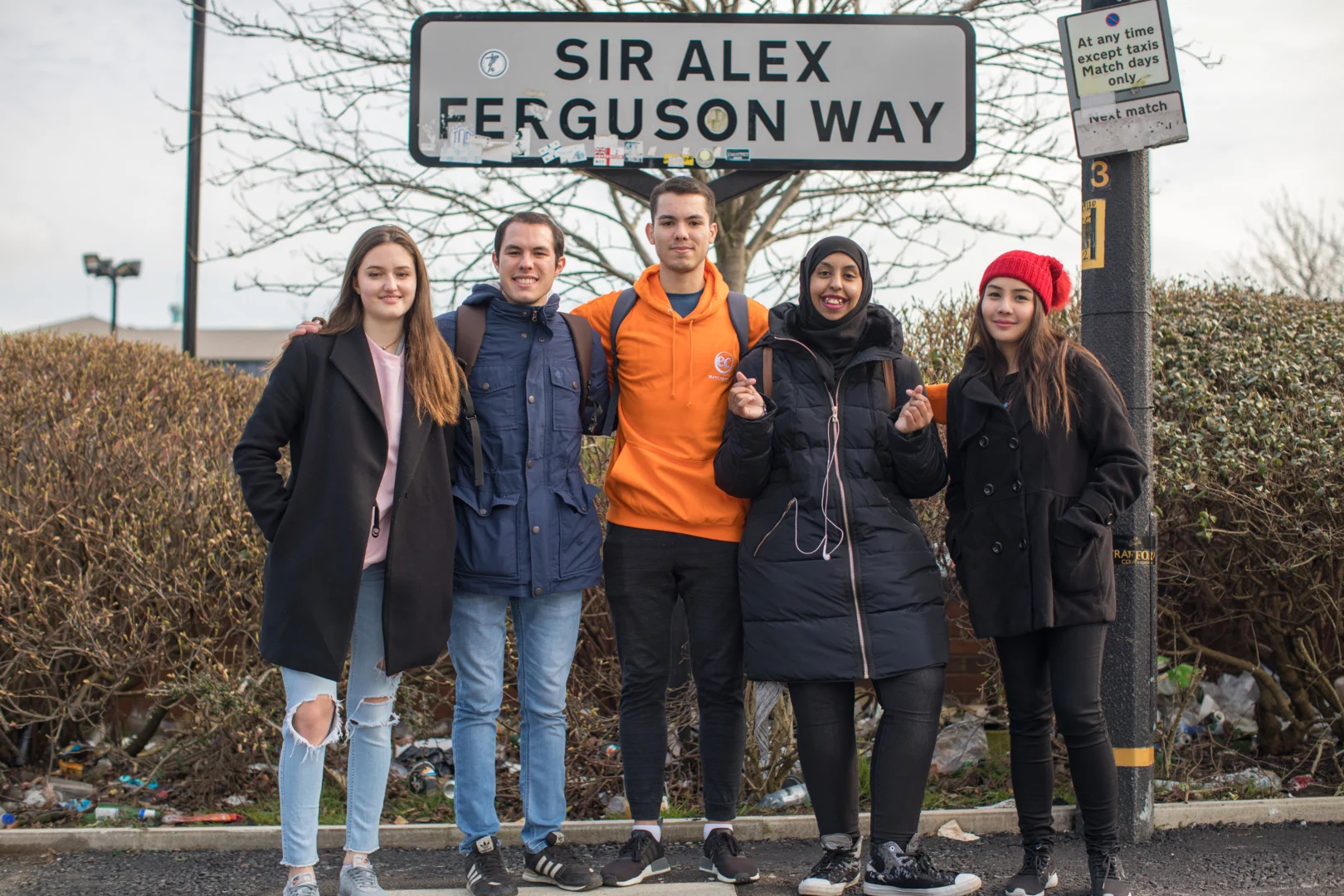
Studying here. Topstudy works with two schools in Manchester. Kaplan Manchester offers General English, Semi-Intensive English and Intensive English; EC Manchester offers General English and Intensive English. Between them you can take a standard week that leaves your afternoons free, a middle load, or a full intensive timetable.
Accommodation. Alongside host families, Kaplan Manchester places students in Piccadilly Point and Sir Charles Grove Hall. A residence gives you your own room, a predictable monthly cost and other students in the building; a host family gives you English at the kitchen table as well as in class. In a city this size the deciding factor is usually the commute — check the tram line before the rent.
Who it suits. Students who want a real city without London prices; anyone whose way into a language is music, football or going out rather than museums; and students who would rather be somewhere lived-in than somewhere picturesque.
Get a Quote Now