
Eastbourne is a Victorian seaside town on the Sussex coast, and it has been taking language students for long enough that the town works around them. That is the practical point: the host families, the cafés and the sports clubs are used to people whose English is halfway there, so the cost of starting a conversation is lower here than in a city that has never needed to be patient.
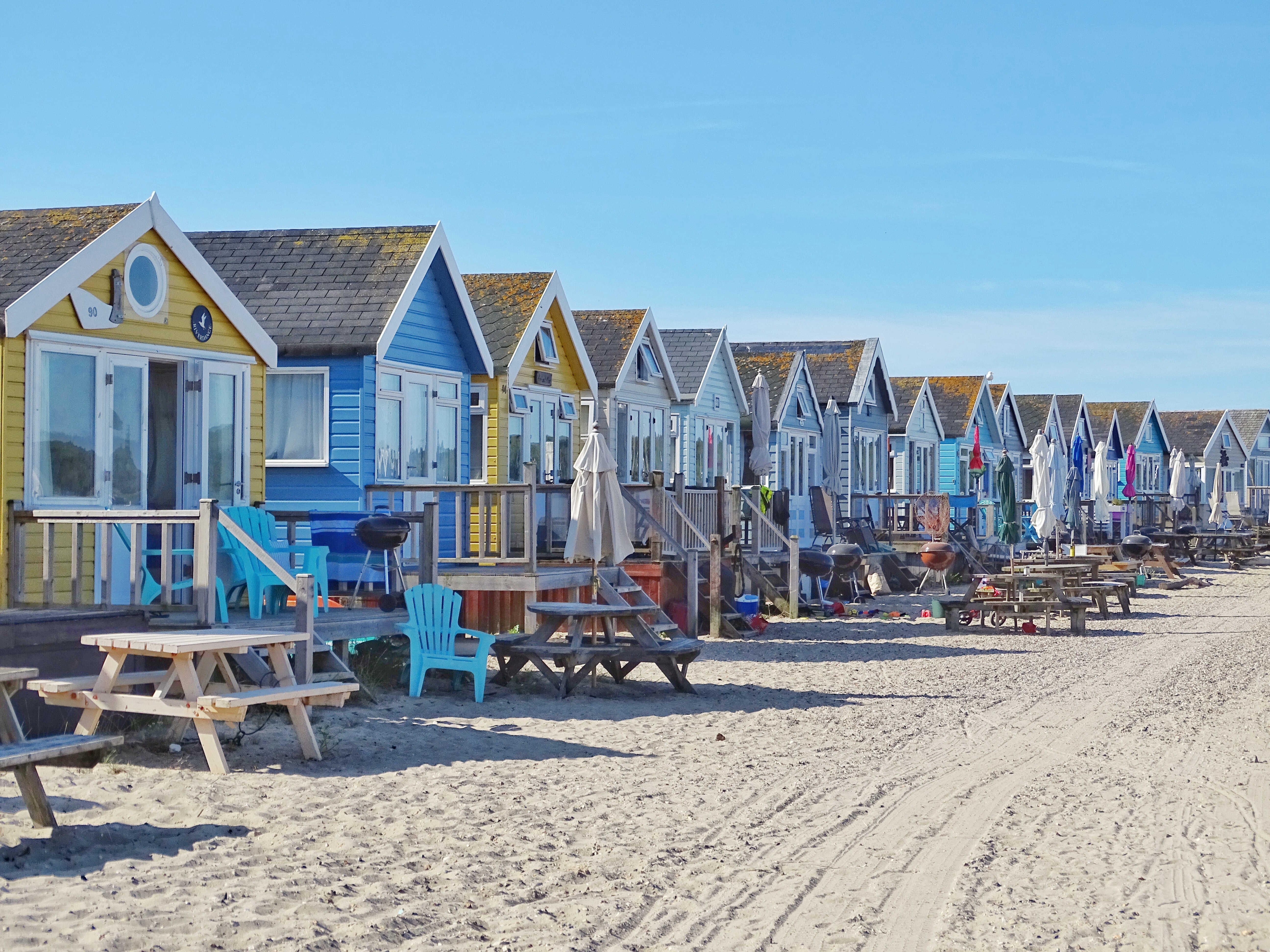
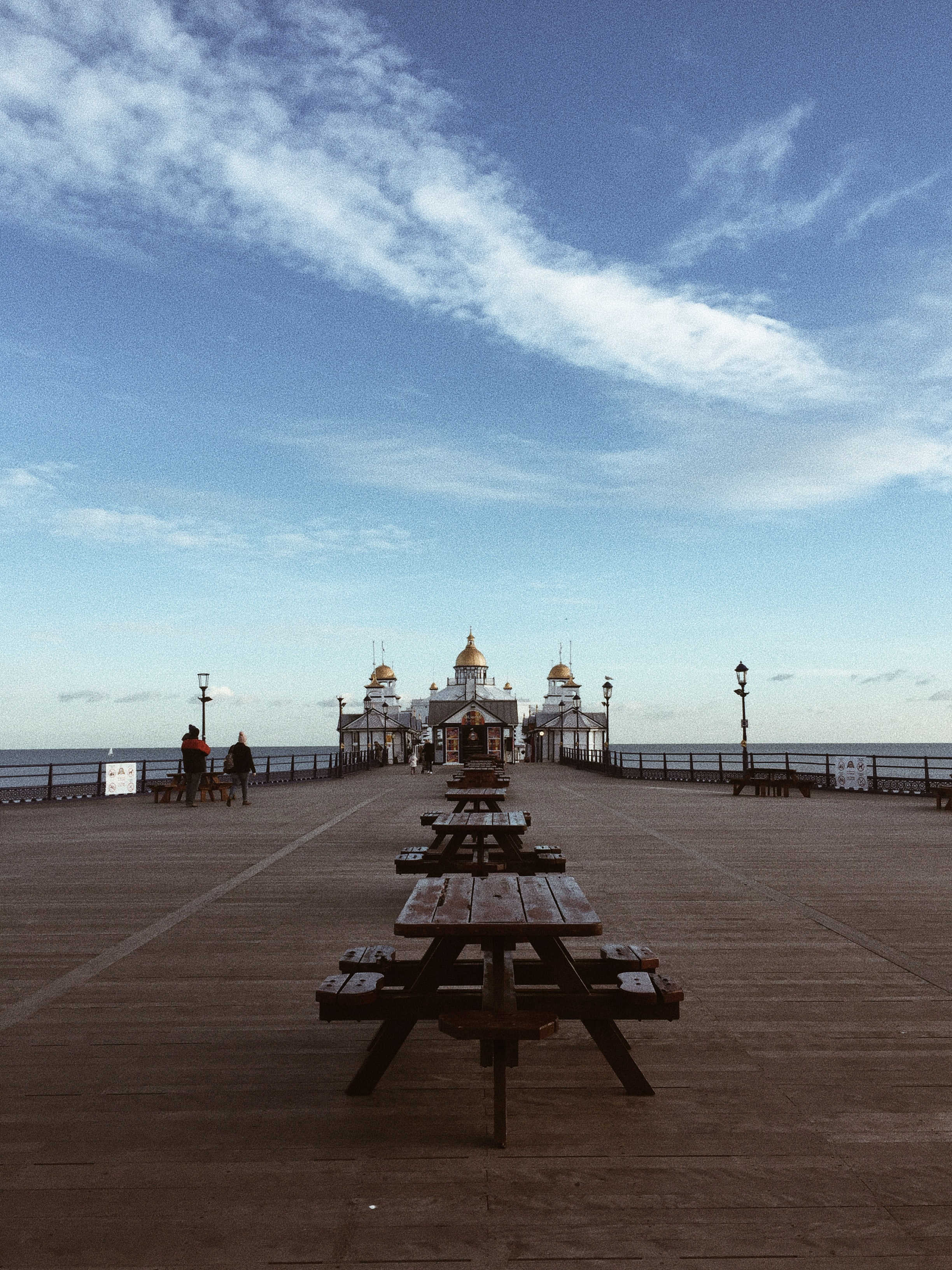
The seafront is the town's spine — a long promenade of white hotels, a Victorian pier and a bandstand, with the beach below. It is the walk everyone does after class, and in summer it is where the town lives.
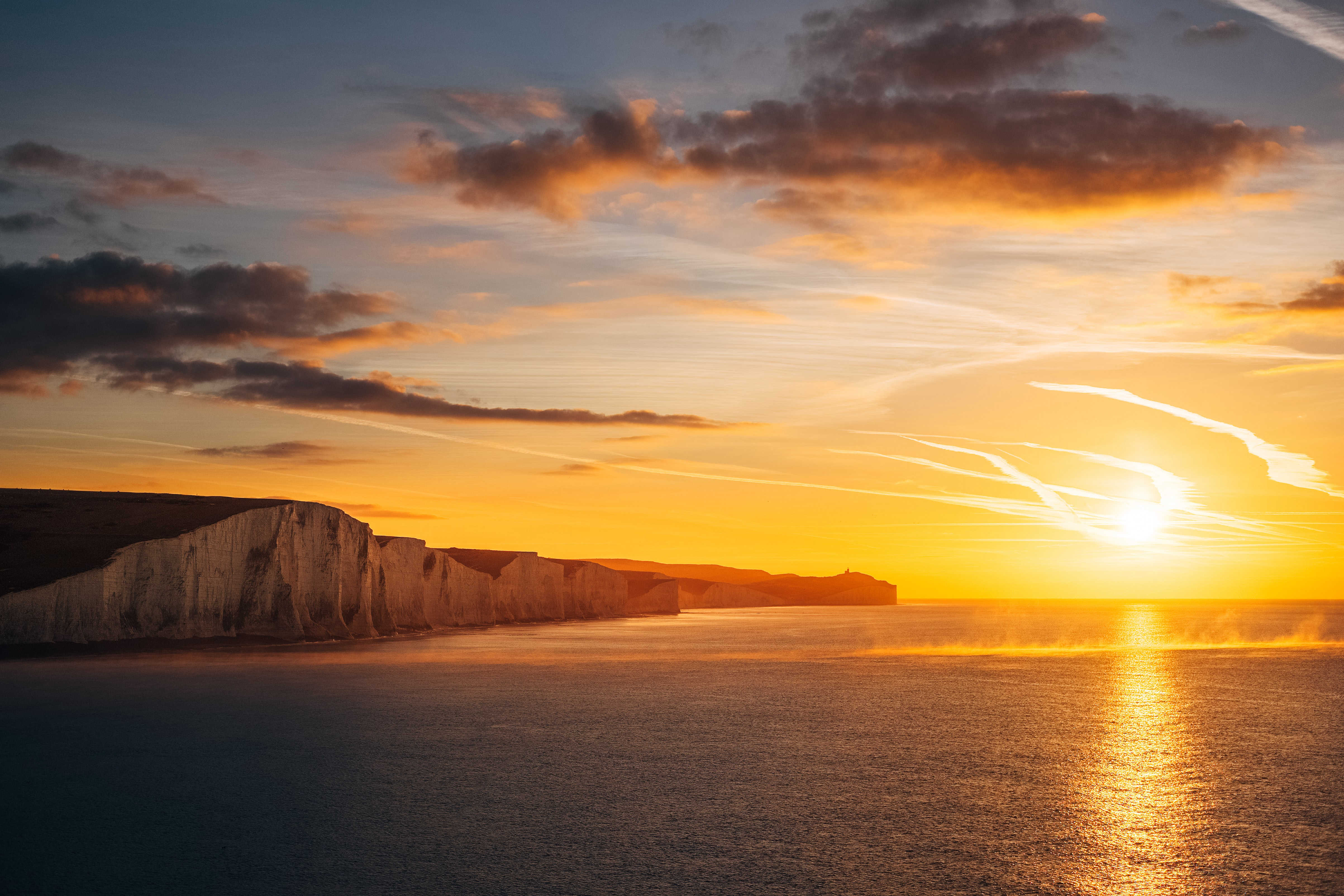
What sets Eastbourne apart from other English seaside towns is what sits at either end of it. Beachy Head, the highest chalk sea cliff in Britain, is a walk from the western edge of town, and the Seven Sisters run on from there — a stretch of white cliffs that is one of the most photographed landscapes in England and, for a student, a free Saturday. Behind the town the South Downs National Park starts immediately.
The climate is the other local claim: Eastbourne is consistently among the sunniest places in the United Kingdom, which is a low bar set in an interesting way — it means the seafront is usable for more of the year than the English coast usually manages.
Brighton is about half an hour away by train when you want a bigger, louder night, and London is around an hour and a half. Gatwick is roughly an hour, which makes arriving and leaving simpler than the map suggests. That combination — quiet base, big city reachable, airport close — is the shape of a term here.
There is one more thing worth knowing, and it is rarely said out loud: Eastbourne's population skews older than most English towns, and people here speak more slowly and more clearly than they do in a city. For a student in the first weeks, when every conversation is a listening exam, that is a real advantage — and it is the opposite of what London offers.
Two things to weigh. Eastbourne is a town and a traditional one; students who want scale and nightlife will find it small within a few weeks, and the answer most take is the Brighton train. And it is seasonal: summer is busy and international, winter is quiet, cheaper and much more English — which some students choose deliberately for exactly that reason.
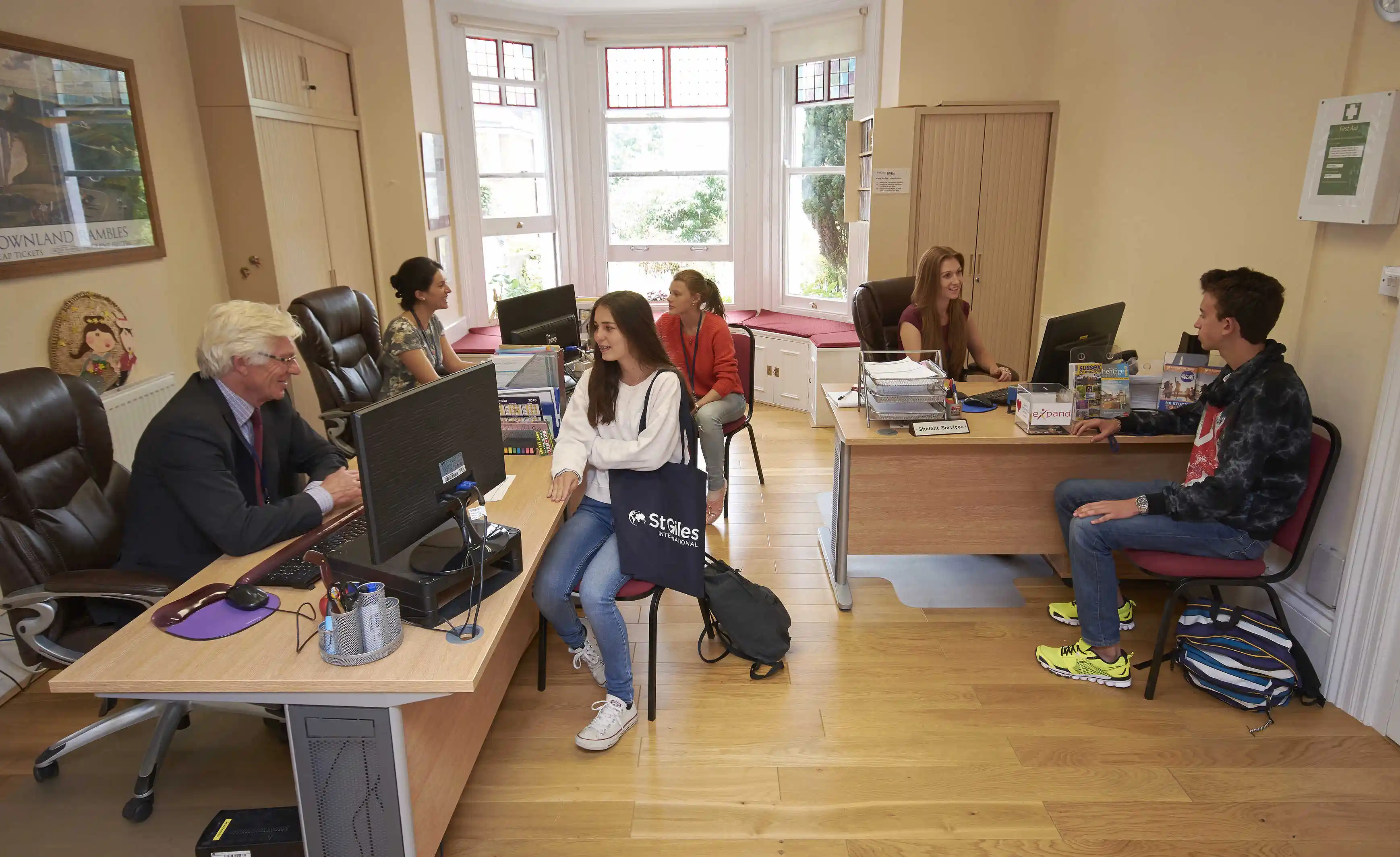
Studying here. Topstudy works with St Giles Eastbourne, which offers General English, Intensive English and a General English – Afternoon timetable. That afternoon option is the one to look at if you want your mornings free — for work, for study, or simply for the coast.
Accommodation. St Giles Eastbourne places students in four residences: Beachfront, West Rocks, Cherry Tree and The Hydro Hotel. Four options in a town this size is unusual, and it means you are choosing between buildings rather than between distances — all of them keep you within reach of both the school and the sea. Host families are the traditional alternative here and remain the stronger choice if your real difficulty is finding enough English outside class.
Who it suits. Students who want the coast to be part of the term rather than a holiday afterwards; anyone whose budget would be stretched by London or Brighton; and students who learn faster somewhere they are recognised than somewhere they are anonymous.
Get a Quote Now