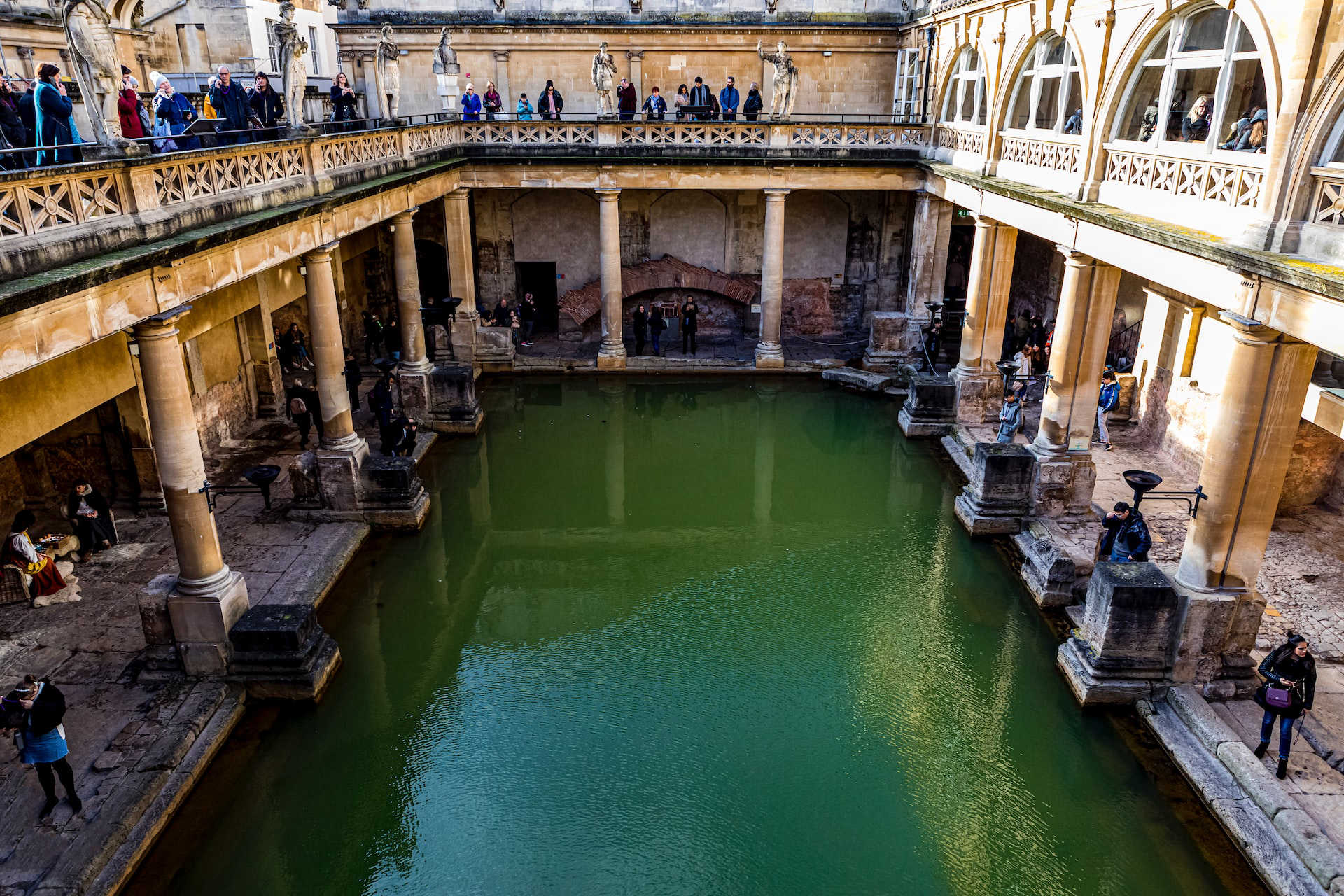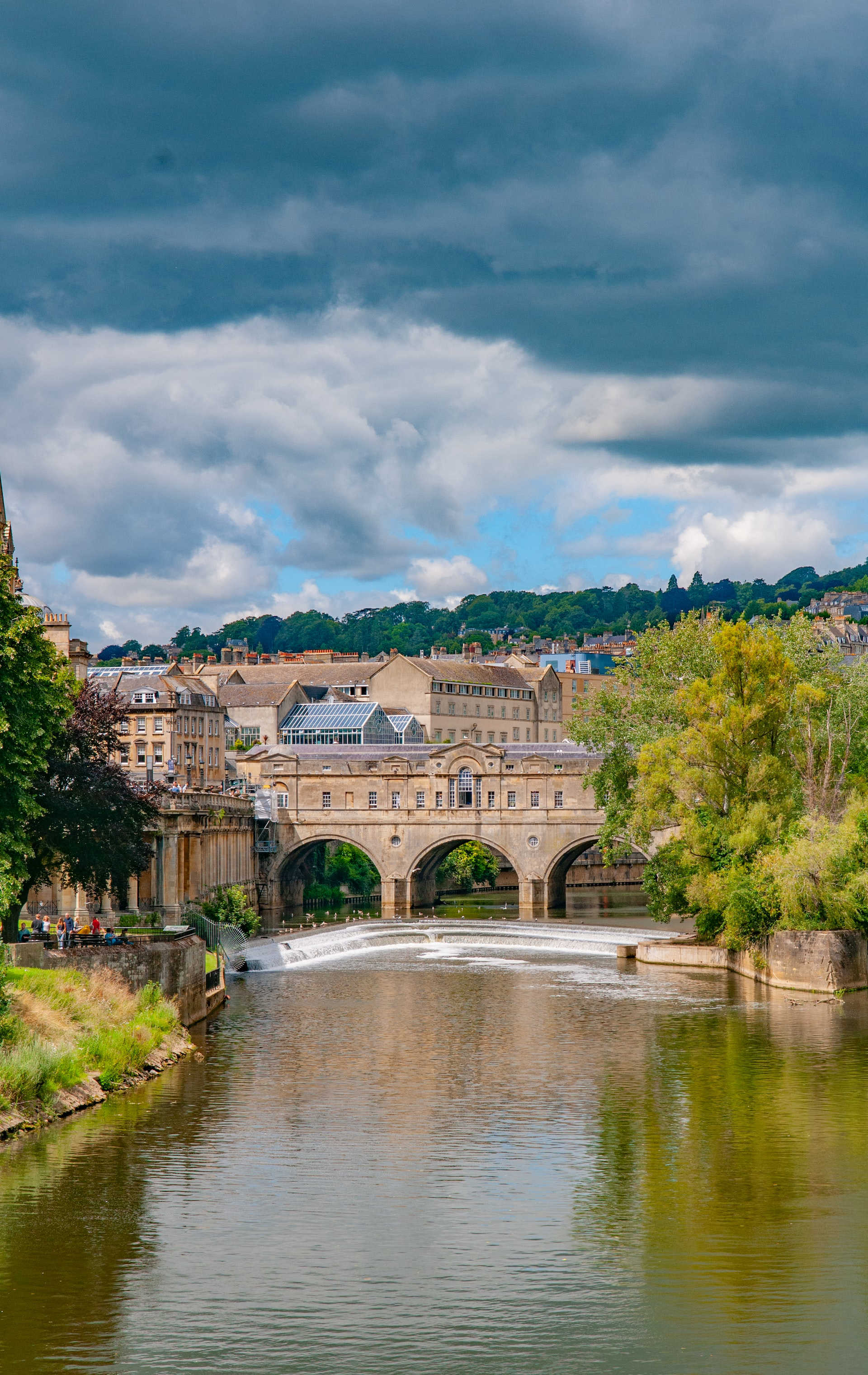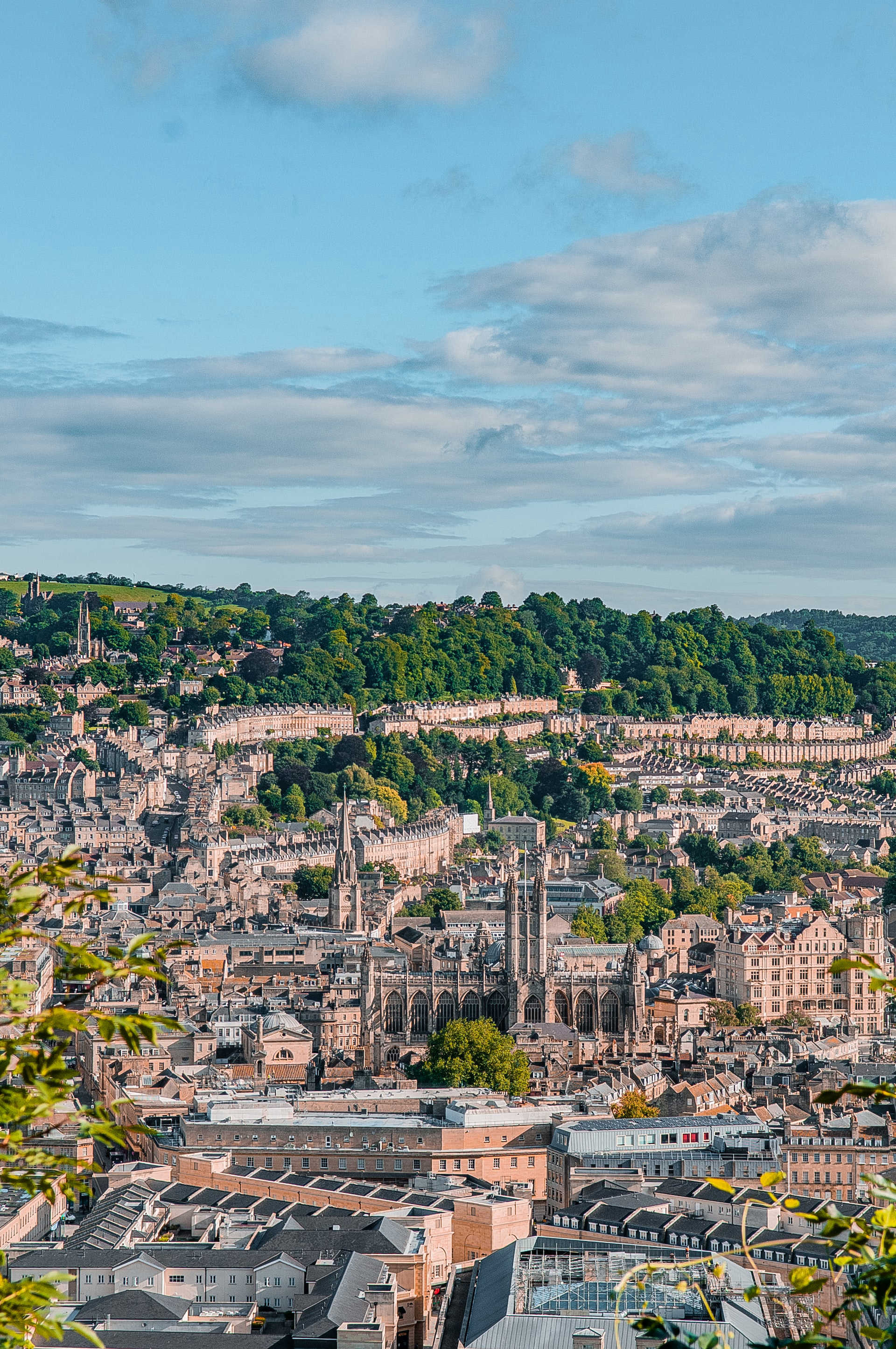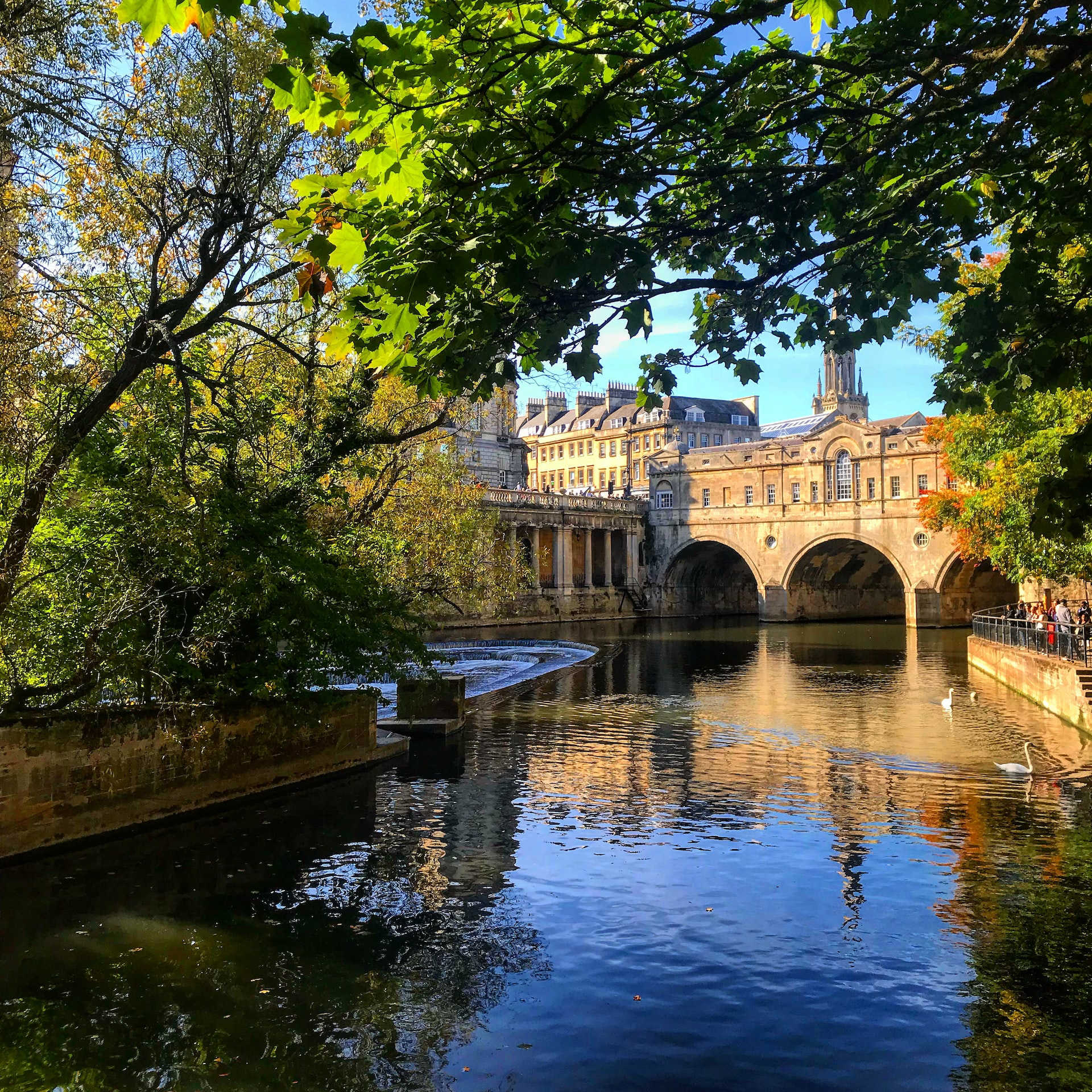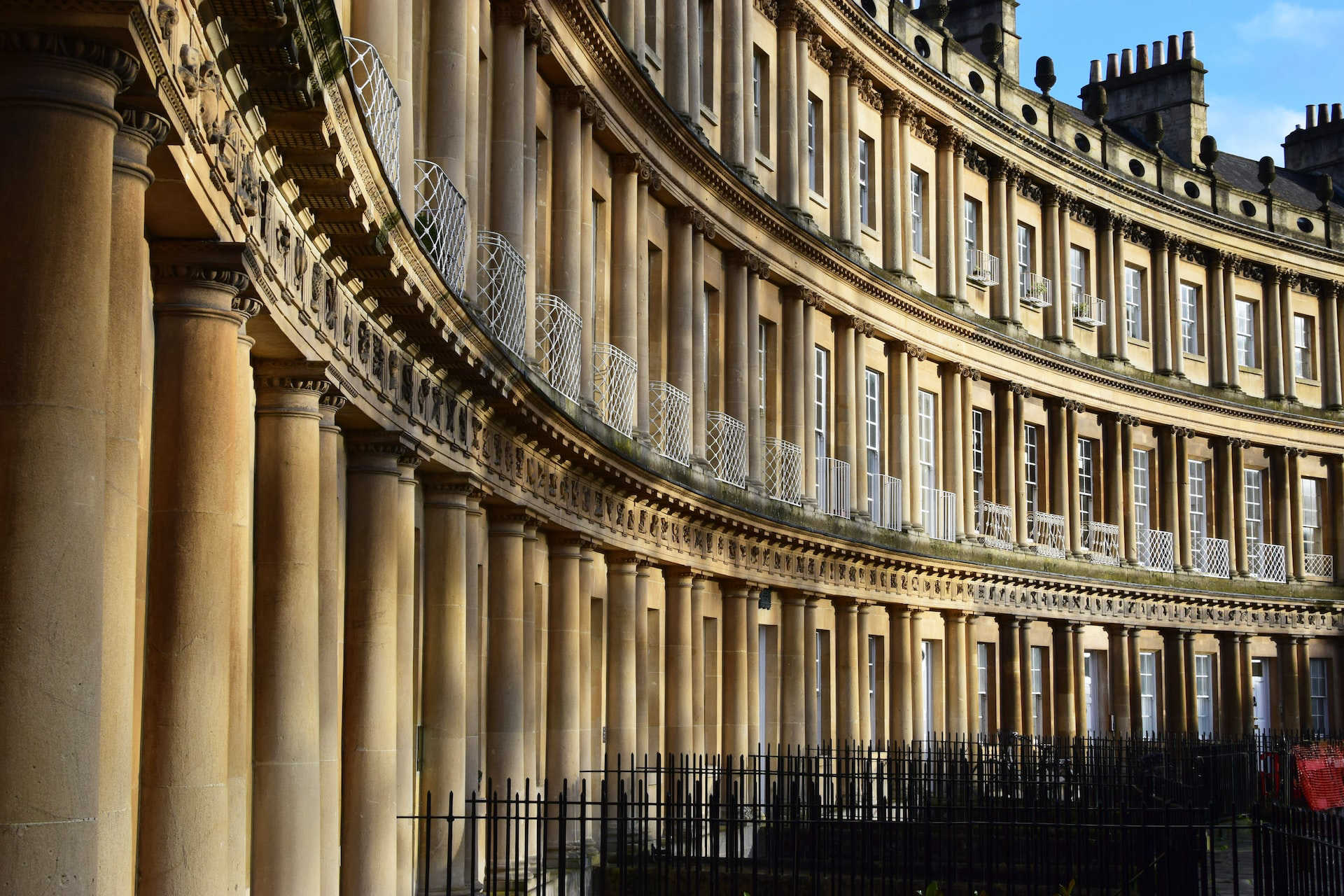

Bath is a small English city that is, in its entirety, a UNESCO World Heritage Site — not a monument inside a city but the city itself, built in honey-coloured local stone over two thousand years. The Romans came for the hot springs and left the baths that give the place its name; the Georgians rebuilt it in the eighteenth century as a spa resort and left the crescents and terraces that make it look the way it does.
For a student the effect is that the ordinary walk to class goes past the Royal Crescent and the Circus, and that stops being remarkable after about three weeks — which is the point. You are not visiting this; you are living in it.
The scale is the practical argument. Bath is small enough to cross on foot in half an hour and there is no real need for transport inside it, so the money and the daily hour that a student in a larger city spends on travel go somewhere else. The city is built on hills, so the walk is not flat, but nothing is far.
What is free here is unusually good for a city this size. The Holburne Museum's grounds, the Royal Victoria Park, the towpath along the Kennet and Avon canal and the view from Alexandra Park cost nothing. The Roman Baths and Bath Abbey are paid, and both are worth it once.
Bristol is fifteen minutes away by train — a bigger, younger, louder city with the music and nightlife Bath does not have — and London is around an hour and a half. The Cotswolds start immediately to the north. Bristol Airport is under an hour, which keeps arrivals and trips home simple. A weekend here is easy to fill without a car.
Bath is also a university town, which is less obvious than its architecture but shapes the year just as much. Two universities sit here, so term time brings a young population, cheap student-priced food and a calendar of festivals — literature in spring, music in summer, a Christmas market that takes over the Georgian streets in December. A language student arrives into that rather than into a museum.
Two things to weigh. Bath is quiet and its evenings run on pubs and restaurants rather than clubs; students who want a city's noise use the Bristol train. And it is not cheap — a small, desirable, protected city has limited housing, and accommodation is the largest line in the budget.
Studying here. Topstudy works with Positively Languages Bath, which offers General English, Semi-Intensive English and Intensive English — a standard week, a middle load that leaves the afternoons usable, or a full intensive timetable.
Accommodation. Positively Languages Bath places students in the Student Castle residence. In a city this compact the distance between accommodation and school is a short walk either way, which removes the calculation that dominates the choice in a larger place; what is left is what you want from your evenings. Host families here are usually within the same walking radius, so choosing one costs you very little in travel time.
Who it suits. Students who learn by being recognised rather than by disappearing into a crowd; anyone who wants England's postcard version without giving up a real city fifteen minutes away; and students who would rather spend their budget on tuition and a good room than on a travelcard.
Get a Quote Now