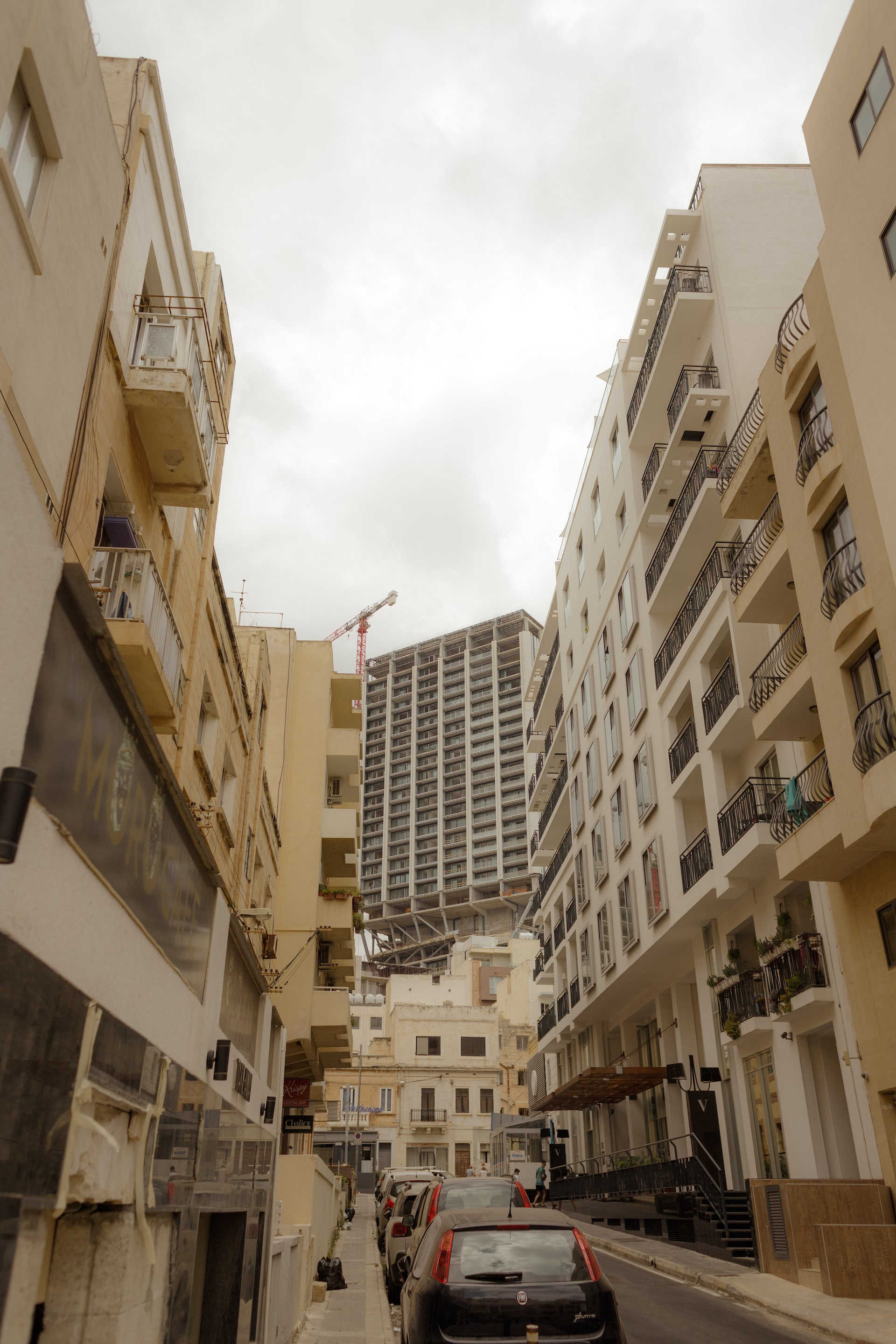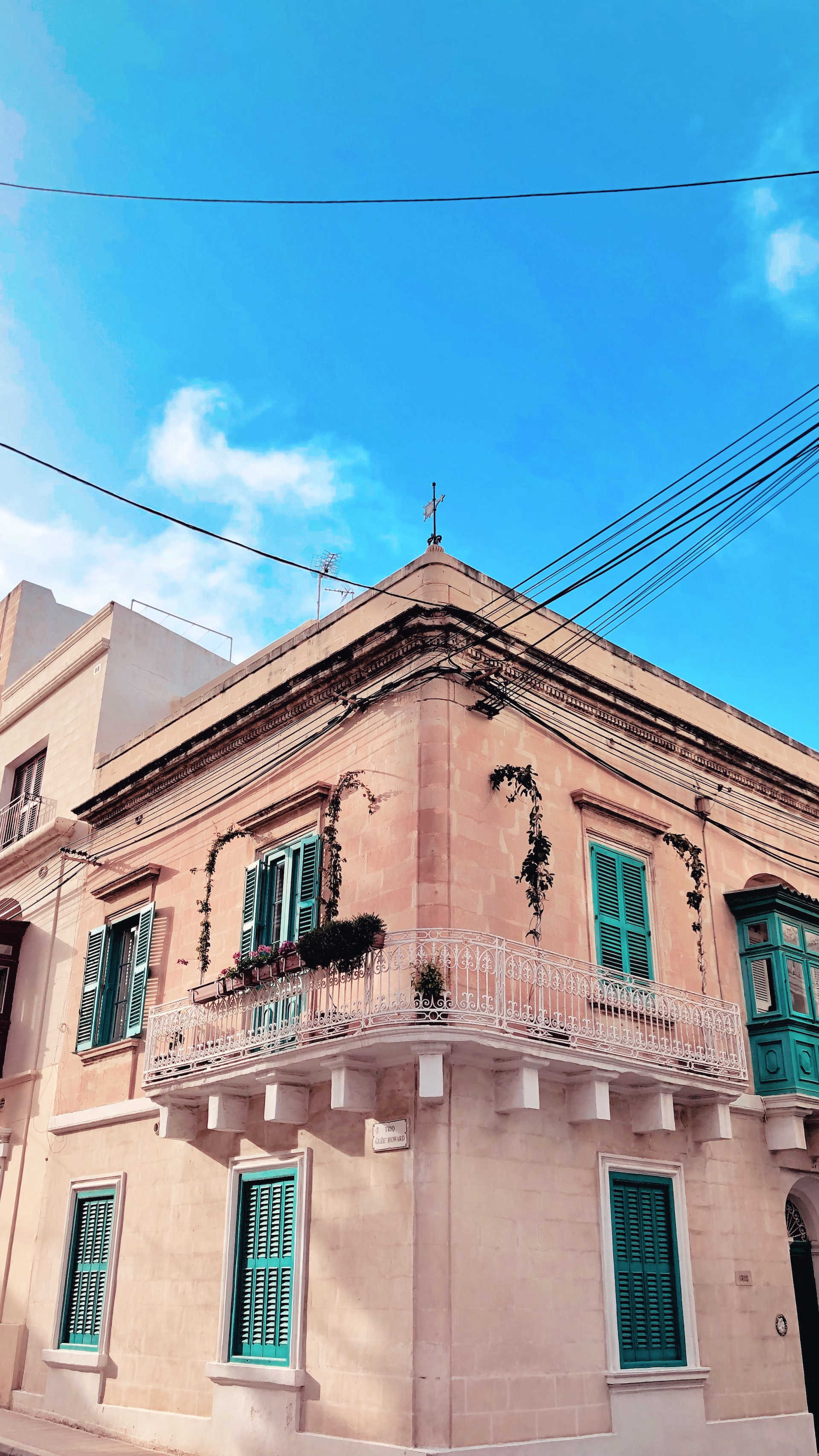

Sliema is a seafront town on Malta's north-east coast, and the single most useful thing to know about it is not about Sliema at all: English is an official language of Malta. Road signs, banks, government forms, hospital appointments and the person behind the counter all operate in English as a matter of course, not as a courtesy to tourists. For a language learner that changes the arithmetic of a term abroad — you are not practising English in a bubble around your school, you are living in a country that runs on it.
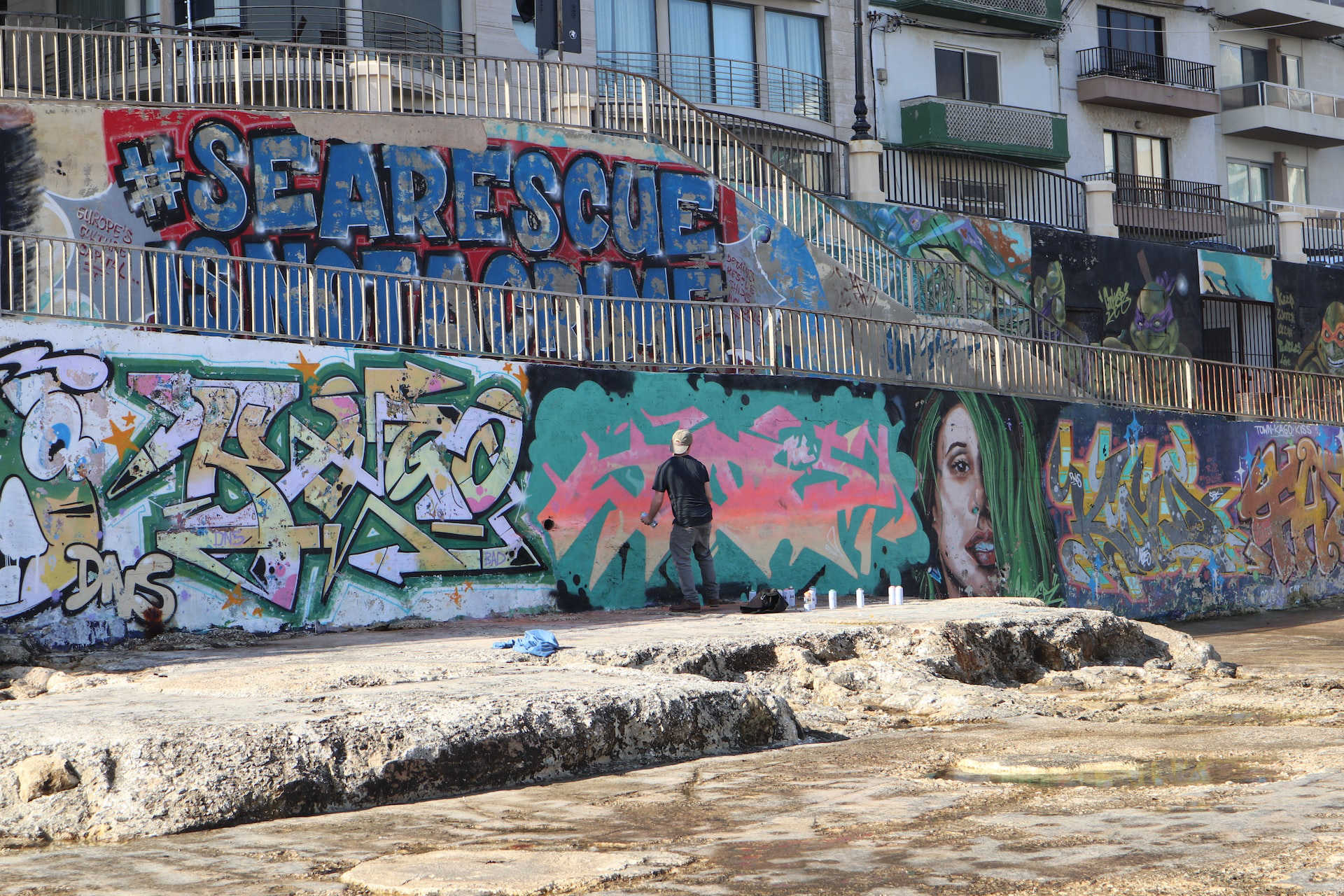
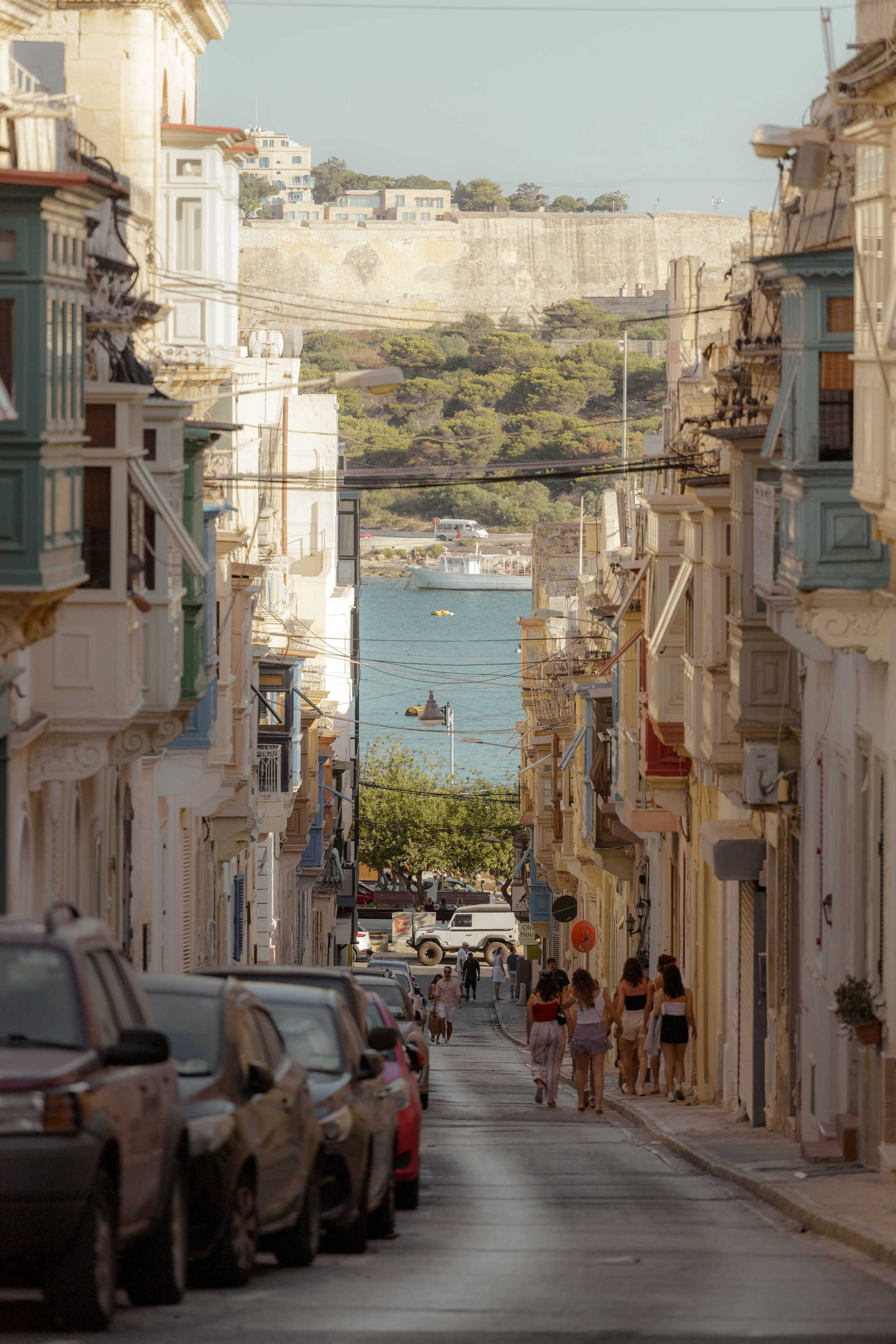
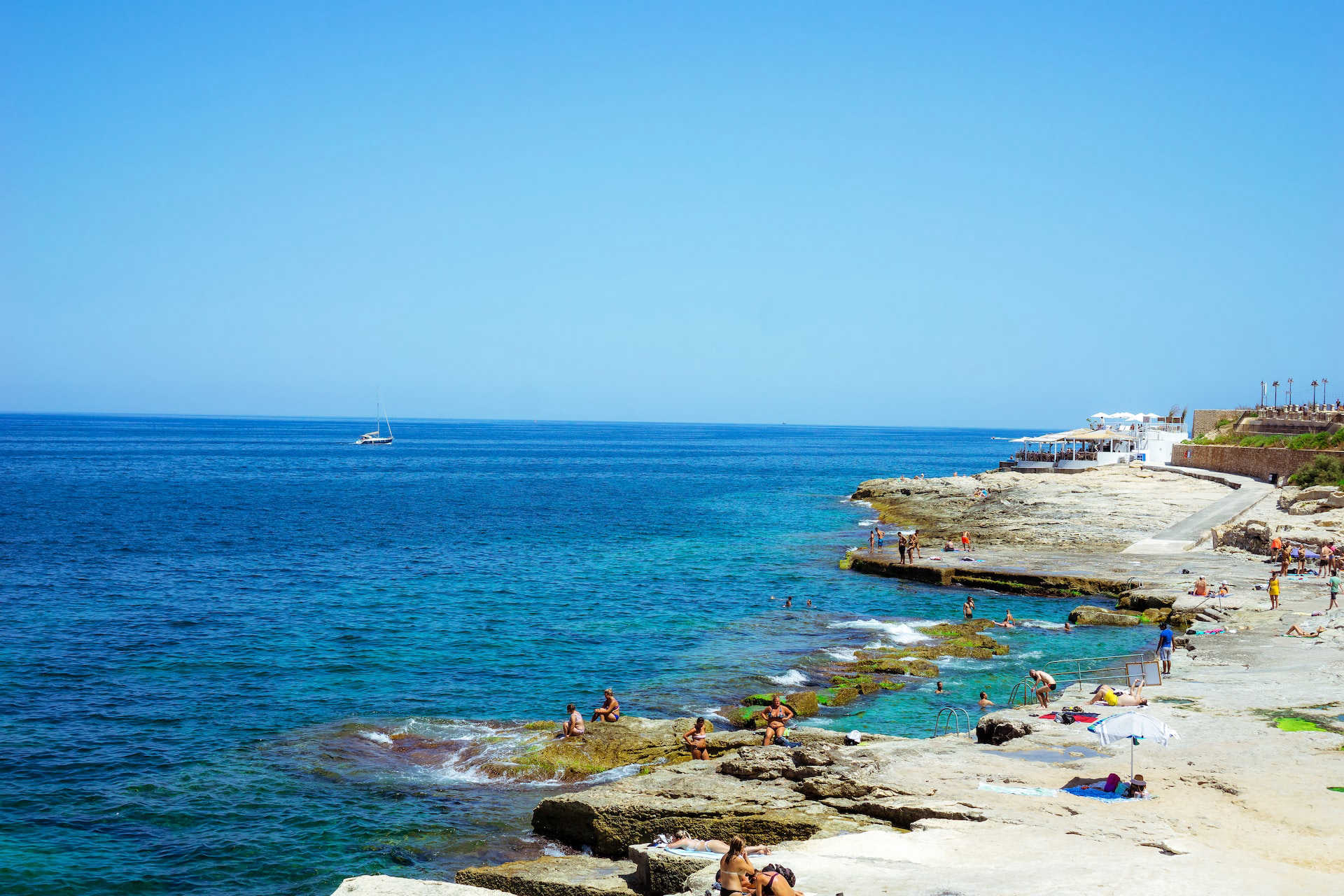
The town itself is built along a promenade. The seafront path runs for kilometres around the bay towards St Julian's in one direction and the Valletta ferry in the other, and it is where Sliema spends its evenings: walking, swimming off the rocks, eating outdoors. There is no sand here — the coast is flat limestone shelf with ladders into clear water, which locals prefer and visitors take a day to understand.
Valletta is a short ferry ride across the harbour and is worth the crossing on its own: a walled sixteenth-century capital, UNESCO listed, small enough to cross on foot in half an hour. St Julian's and Paceville, the island's nightlife, are a walk up the coast in the other direction — close enough to use, far enough not to hear.
Malta is small, and that is a practical advantage. Buses reach the whole island from Sliema, so the Blue Lagoon on Comino, the cliffs at Dingli and the silent old capital of Mdina are all afternoon trips rather than expeditions. Gozo, the quieter sister island, is a ferry away.
The climate is the other draw: hot dry summers, mild winters, and swimming weather that runs well past September. Costs sit below the UK, Ireland and the US, which is why Malta is often the choice when the budget decides the destination.
Malta is also an EU member state and part of the Schengen area, which matters for the paperwork more than for the classroom. For students who already hold a Schengen visa or an EU passport, the administrative distance between deciding and arriving is shorter here than for the UK or the US.
The student mix is worth knowing too. Malta's schools run year-round and draw heavily from Italy, Germany, France, Türkiye and Latin America, so the classroom is genuinely mixed rather than dominated by one language group — which is the difference between practising English and defaulting back to your own language at break.
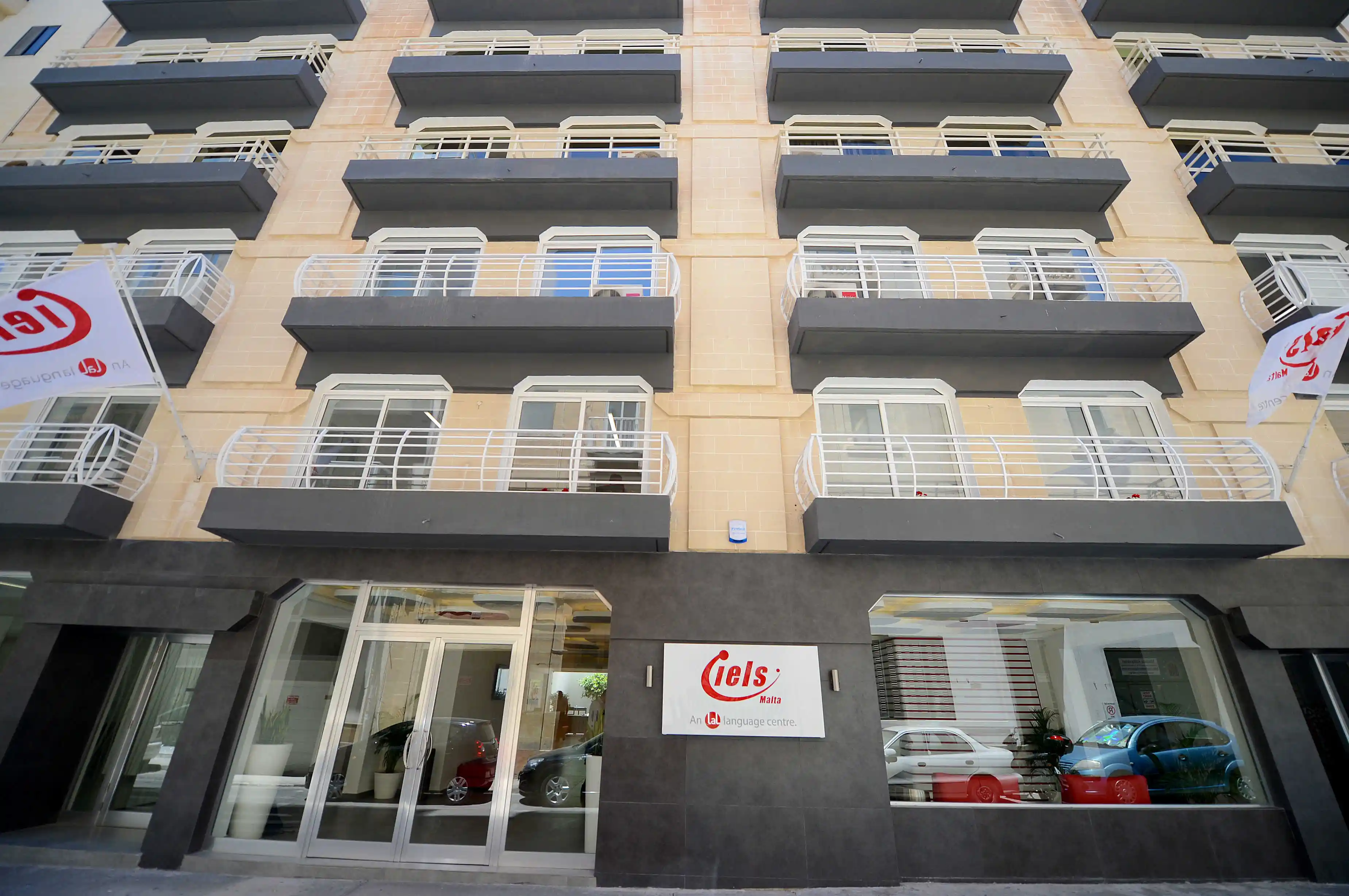
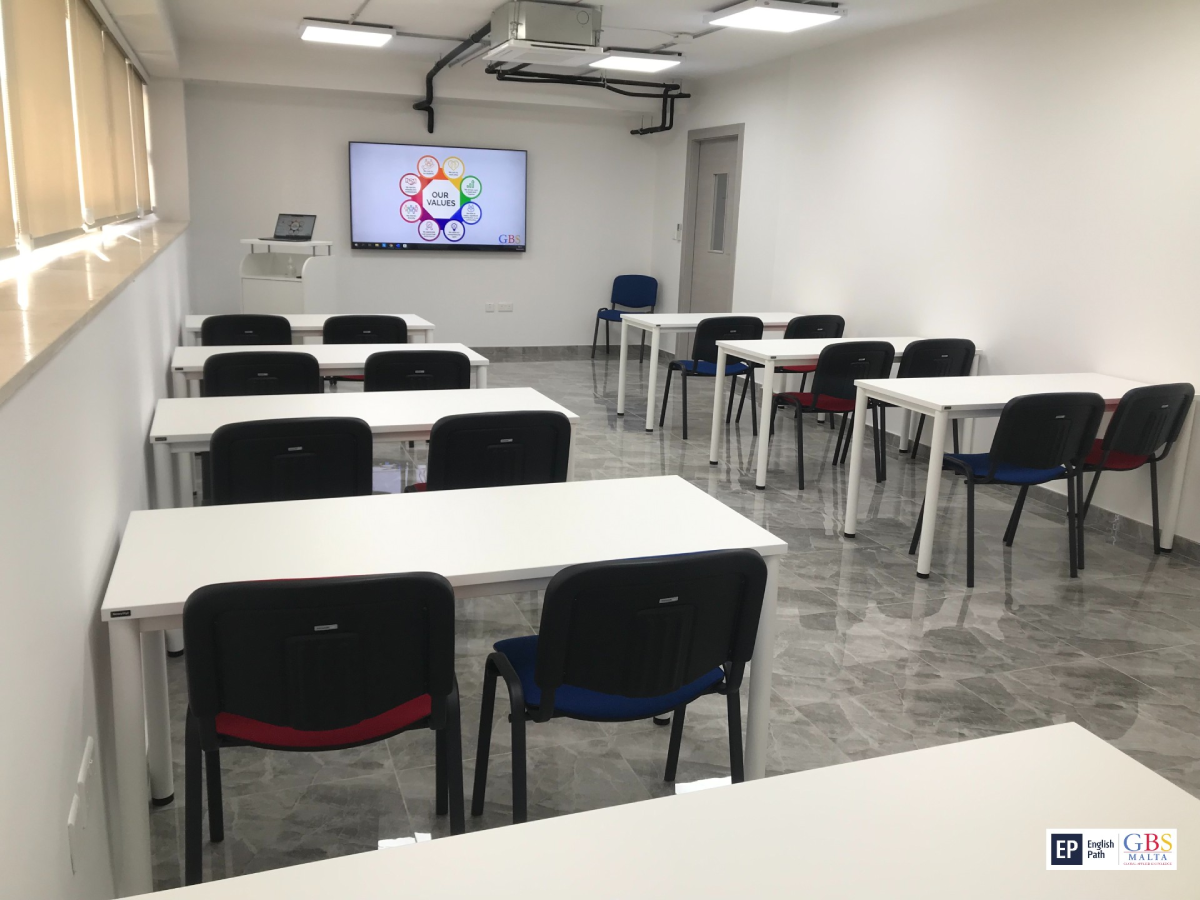
Studying here. Topstudy works with two schools in Sliema. English Path Malta offers General English, Semi-Intensive English and Intensive English; IELS Malta offers General English and Intensive English. Between them a standard week, a middle load and a full intensive timetable are all available in one town.
Accommodation. IELS Malta places students in the CampusHUB and Day's Inn residences and also runs a homestay programme with local families. In a town this walkable neither choice costs you much travel time, so it comes down to what you want from the hours outside class: a residence gives you other students and your own room, a host family gives you Maltese-English at the dinner table every evening.
Who it suits. Students who want to be surrounded by English outside the classroom as well as in it; anyone choosing on budget without wanting to compromise on climate or coast; and students who would rather learn in a small place where the island itself becomes familiar.
Get a Quote Now