
Dublin is the capital of Ireland and the only English-speaking capital in the European Union, which is the single fact that decides the city for a lot of students. If you want to study English inside the EU — with the visa arrangements, the travel and the length of stay that implies — Dublin is the option, not one of several.
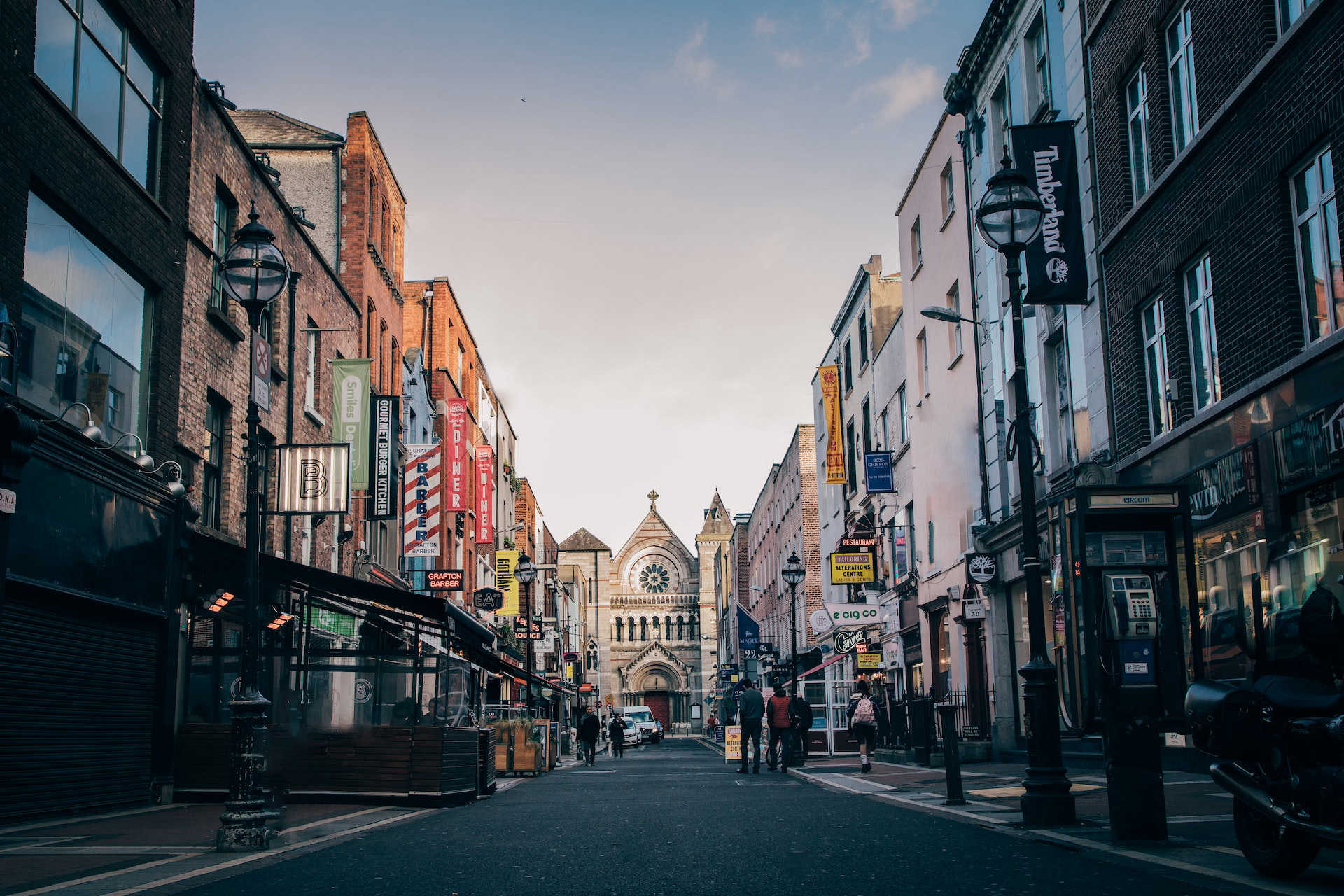
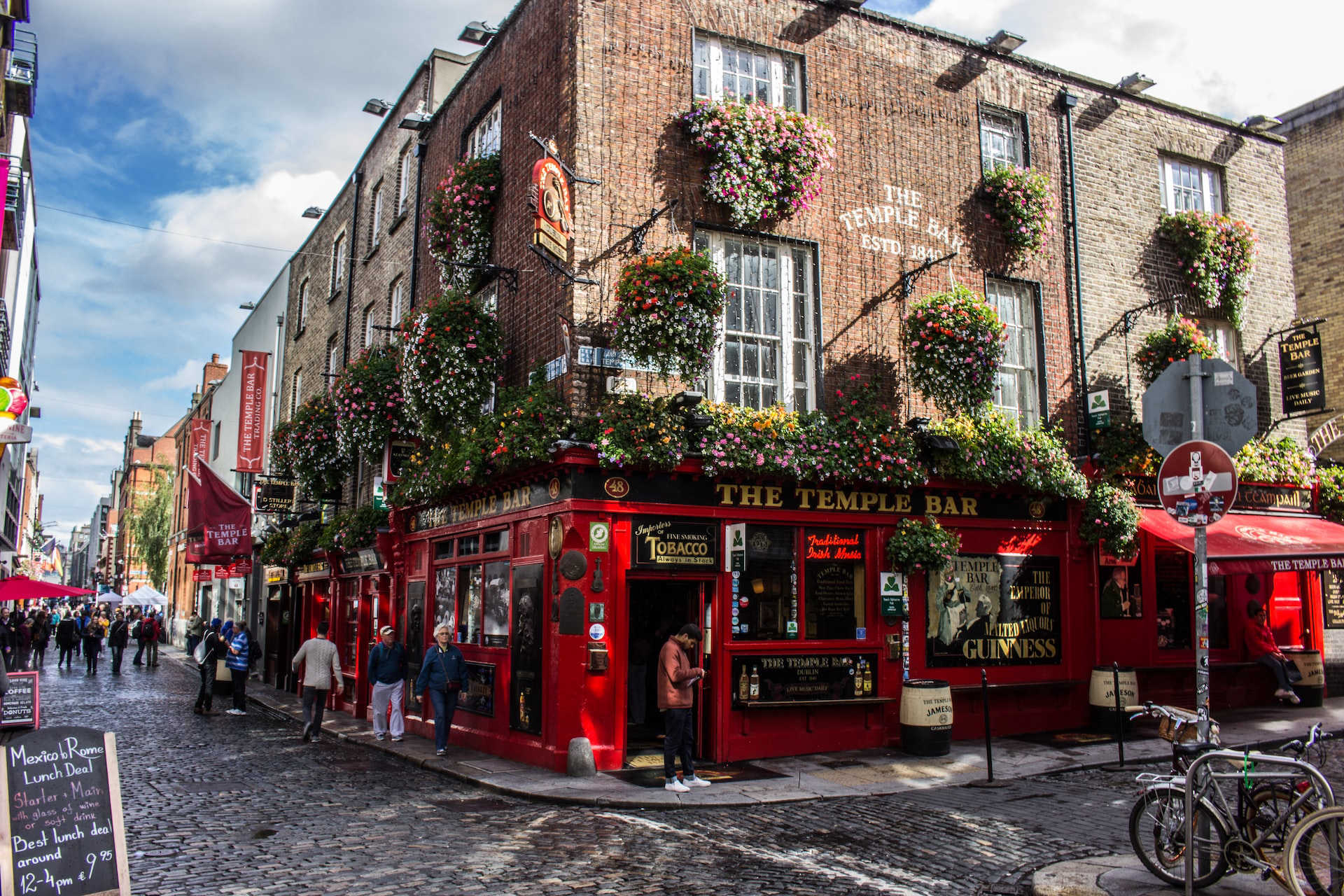
The city is small for a capital and that works in a student's favour. The centre is genuinely walkable: Trinity College, Grafton Street, Temple Bar and the Liffey quays sit within twenty minutes of each other on foot. You are not spending an hour a day on transport to reach class, and after two weeks you stop needing a map. For a language learner the compactness has a second effect — you keep encountering the same cafés and the same people, and that repetition is what turns classroom English into conversation.
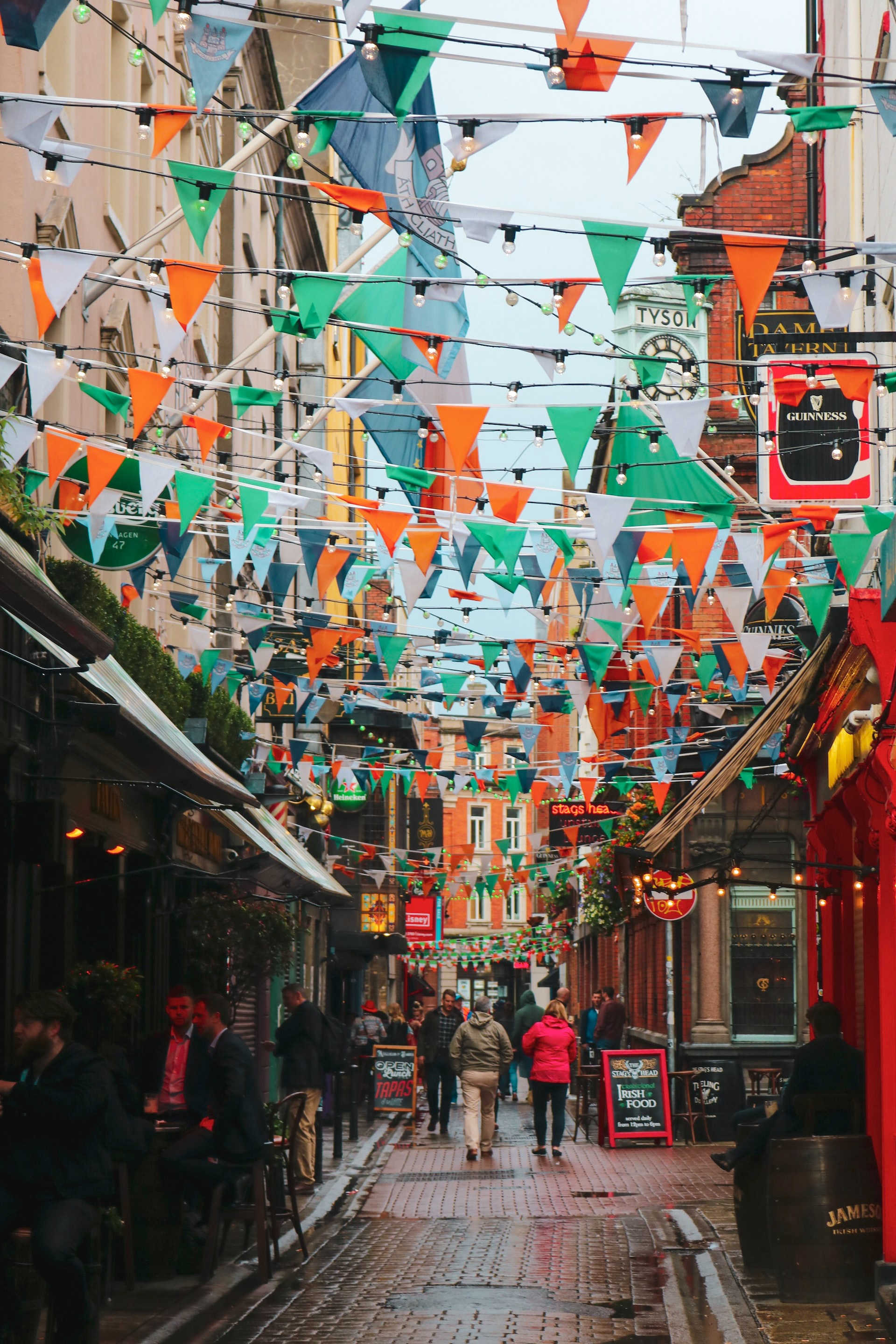
Dublin's character is conversational in a way that is not a cliché about Irish friendliness. Pub culture here is built around talking rather than drinking quickly and moving on; a quiet bar on a weekday afternoon is a normal place to sit and be drawn into a conversation with strangers. Traditional music sessions happen in ordinary pubs rather than staged venues. For someone whose real difficulty is finding low-pressure situations to speak in, this matters more than any classroom feature.
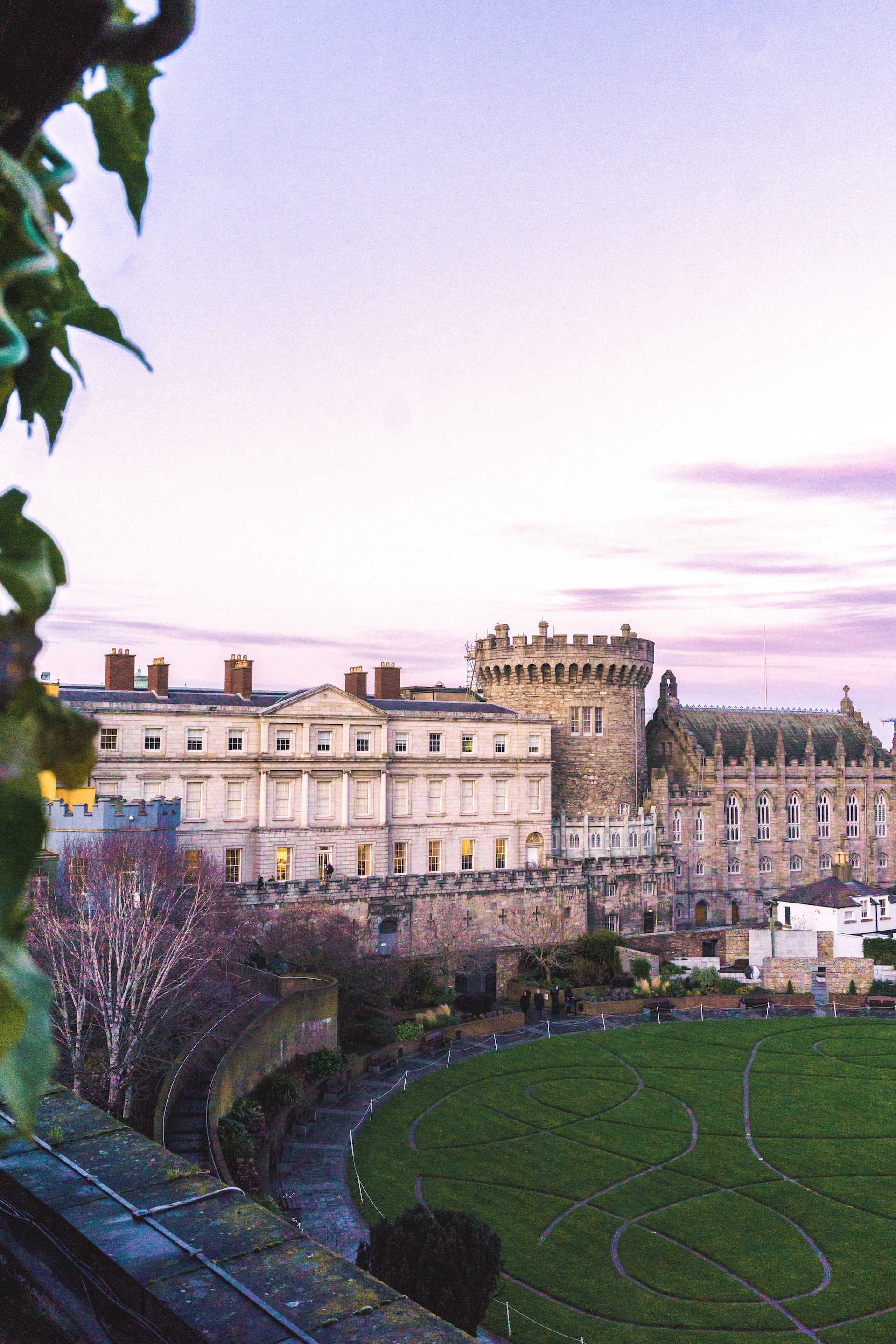
The literary history is unusually concrete for a city that trades on it. Trinity College holds the Book of Kells; the Dublin Writers Museum, the James Joyce Centre and the Museum of Literature Ireland are all central; and Bloomsday in June turns the city into an annual reading of *Ulysses*. Several of the major museums — the National Gallery, the National Museum, the Chester Beatty Library — have free entry, which matters on a student budget.
Outside the city, the coast is close. The DART commuter train runs along the bay to Howth in the north and Dún Laoghaire and Bray in the south, all under an hour, all with cliff walks at the end. The Wicklow Mountains are immediately south, and Galway and the west coast are a few hours across the country.
The honest weak point is cost. Dublin is an expensive city and accommodation is the sharp end of it — demand consistently outstrips supply, particularly in September when Irish universities start. Book early rather than late, and treat a confirmed room as worth more than a marginally cheaper uncertain one.
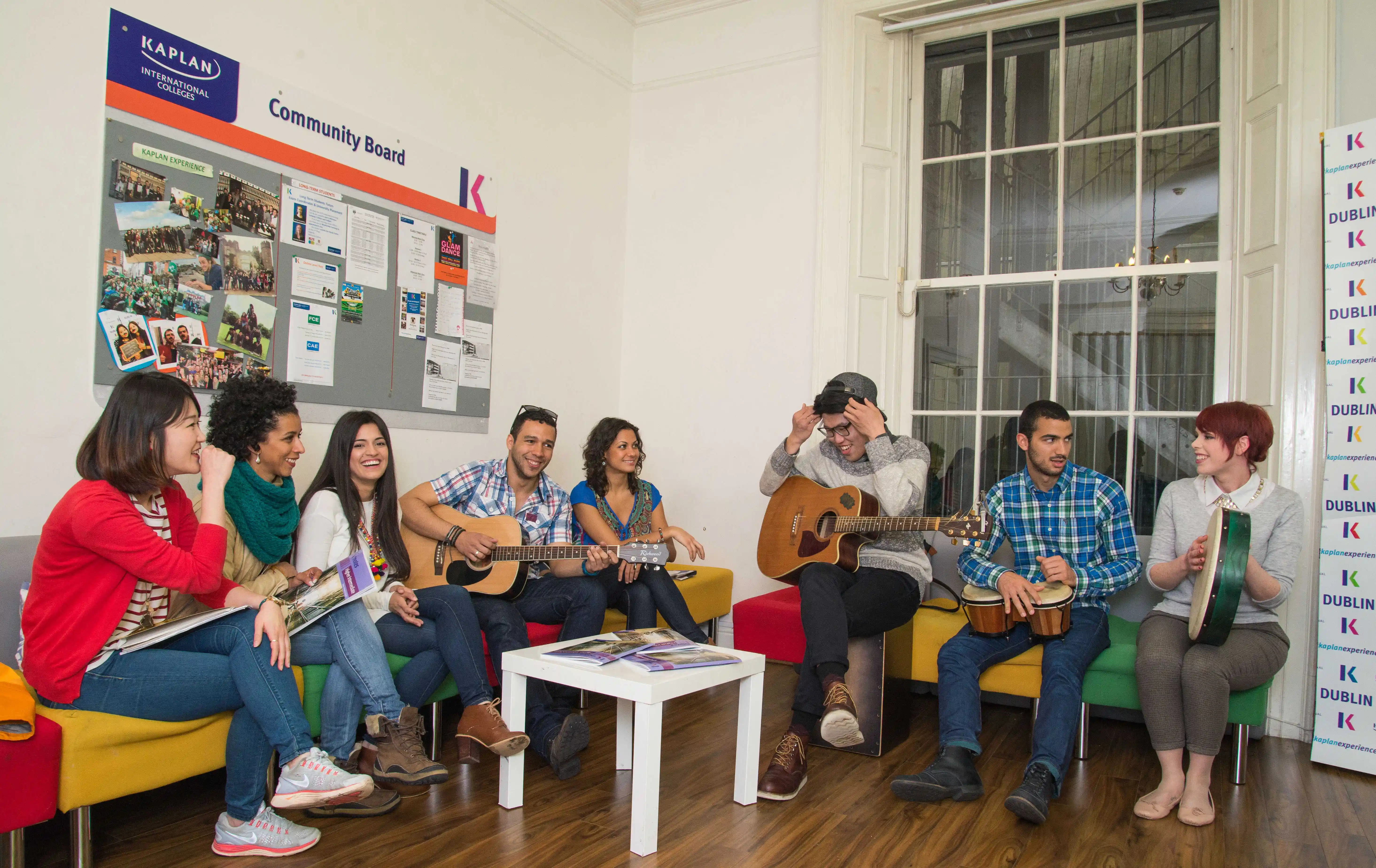
Studying here. Topstudy works with three schools in Dublin. Kaplan Dublin and English Path Dublin both offer General English, Semi-Intensive English and Intensive English; EC Dublin offers General English and Intensive English. Between them every weekly load is available — a standard course, a middle option that leaves the day usable, or a full intensive week when you are working to a deadline.
Accommodation. Alongside host families, Kaplan Dublin places students in several purpose-built student residences: Scape Dublin, Liv Student, Brickworks and Ardcairn House. Purpose-built residences suit students who want their own room, a predictable monthly cost and other students in the building; host families suit those who want the most language contact and a structured routine. Given how tight the Dublin market is, the choice is often decided by what is available on your dates rather than by preference.
Weather. Mild and changeable rather than cold. It rains often and briefly; the temperature rarely reaches extremes in either direction. Bring a waterproof layer and stop thinking about it.
Who it is for. Students who need to be inside the EU; anyone who learns by talking rather than by studying; and students who want a capital city that is still small enough to feel familiar after a fortnight.
Get a Quote Now